

Chicken of the Woods in the Bighorn Mountains — Wyoming Foraging Guide
The most visually unmistakable edible mushroom in North America. Bright orange brackets on dead trees. Zero risk of misidentification if you're paying attention.
Dalton Goodyear · May 2026 · 8 min read
The most visually unmistakable edible mushroom in North America. Bright orange and yellow brackets on dead or dying trees. Found in the Bighorn Mountains from August through October. No other Wyoming mushroom looks like it. The one you find and can't believe your luck.
Identification
Chicken of the woods (Laetiporus) grows in large, shelf-like brackets on dead or dying trees. Young specimens are vivid — bright orange on top, sulfur yellow underneath. The brackets can be enormous, sometimes producing 20+ pounds from a single tree. As they age, they fade to pale orange and become tougher.
Look for: Bright orange/yellow shelf-like brackets growing directly from tree trunks or logs. No stem. No gills — the underside has tiny pores. Multiple overlapping shelves are common.
Tree associations: Oak, maple, locust, cherry — less common on conifers in the Bighorns, but not impossible. Dead standing trees and large fallen logs are your best targets.
There's a moment when you round a corner on a trail and see a massive orange bracket flush on a dead oak — thirty pounds of free food, unmistakable, and beautiful. That's chicken of the woods. That's why people forage.
— Wyo Stays Team
Season & Where to Look
Season: Late summer through early fall — August through October in the Bighorn Mountains. The best finds come after periods of rain followed by warm days.
Where: Lower elevation mixed forests in the Bighorns. Look along creek drainages and in areas with hardwood trees. The foothills between 5,000 and 7,500 feet tend to be most productive.
Harvesting Rules
Personal-use foraging in Bighorn National Forest follows the same rules as morel harvesting — one gallon per person per day, no permit required for personal use. Commercial harvesting requires a permit. Check with the Forest Service for current regulations.
Taste & How to Cook
The name isn't marketing — chicken of the woods genuinely tastes and feels like chicken. The texture is slightly firm, tender, with a mild, slightly lemony flavor. Young specimens are the best eating — once they start to fade and harden, the quality drops.
Cast Iron Chicken of the Woods with Brown Butter and Thyme
The simplest preparation. Let the mushroom be the star.
- 1 lb fresh chicken of the woods, sliced into ½-inch strips
- 3 tablespoons unsalted butter
- 3 cloves garlic, thinly sliced
- 4–5 sprigs fresh thyme
- Flaky salt, black pepper, squeeze of lemon
Method: Clean mushroom by brushing — don't soak. Heat cast iron over medium-high. Add butter, let it foam and brown. Add mushroom strips in a single layer (don't crowd). Cook 3–4 minutes until golden. Flip. Add garlic and thyme. Cook 2–3 more minutes. Season with salt, pepper, lemon. Serve immediately.
Foraging Safety
Chicken of the woods is one of the safest wild mushrooms to identify — but never eat any wild mushroom you're not 100% confident about. When in doubt, consult a local mycological society or experienced forager. Start with a small portion on your first try to rule out individual sensitivity.
Frequently Asked Questions
Chicken of the woods season in the Bighorn Mountains runs from late summer through early fall — typically August through October. The best finds come after periods of rain followed by warm days.
Chicken of the woods is found in the Bighorn Mountains, though it's less common than morels in post-fire zones. Look for it on dead or dying hardwood trees — oak, maple, locust, and cherry are the primary host species.
Chicken of the woods is one of the most visually distinctive edible mushrooms. Look for bright orange and yellow shelf-like brackets growing on dead or dying trees. Young specimens are bright and vivid. There are no dangerous lookalikes when the mushroom is fresh and properly identified by its shelf growth pattern and vibrant coloring.
The simplest and best preparation: slice into strips, sauté in butter with garlic and fresh thyme in a hot cast iron pan. Cook until golden on the edges. The texture is remarkably similar to chicken — tender, slightly firm, with a mild, slightly lemony flavor. Don't overcook — 3–4 minutes per side is usually sufficient.
Also consider
Forage & Stay
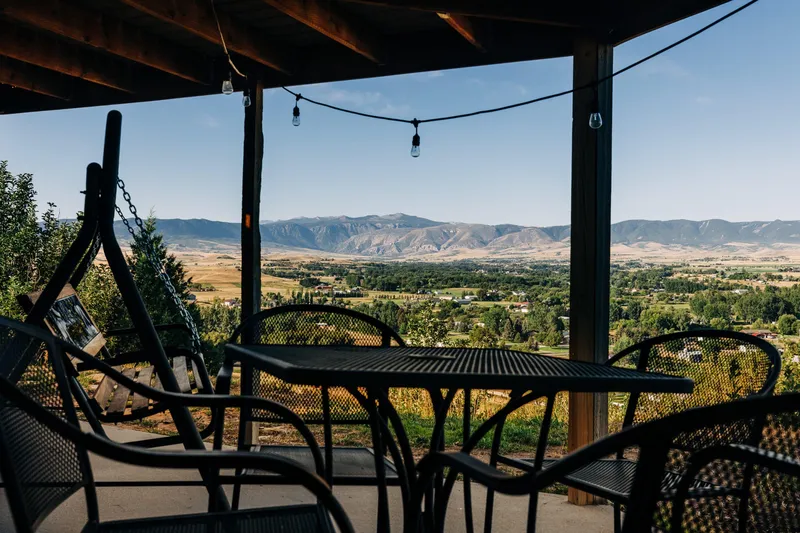
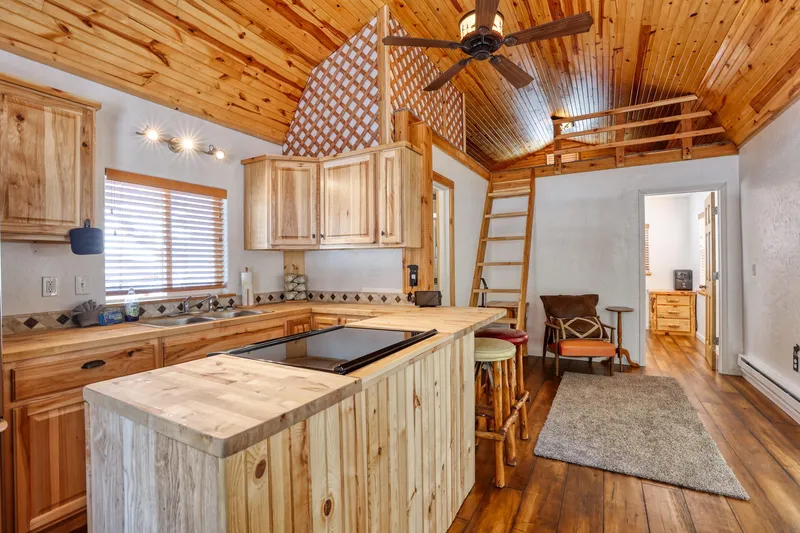
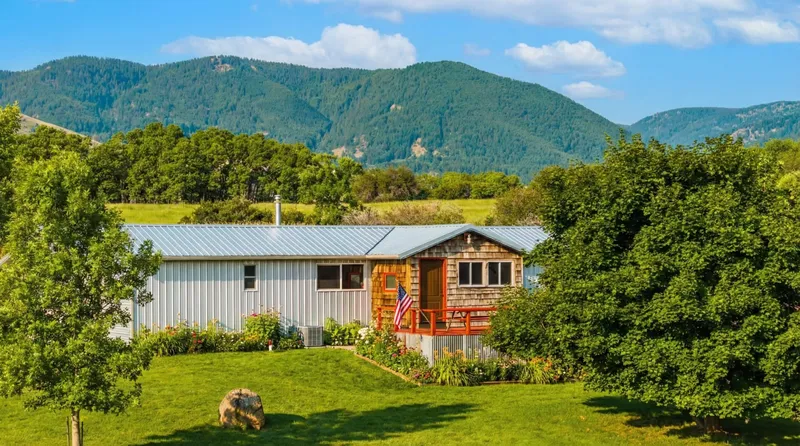
Our mountain cabins put you in foraging territory — full kitchens to cook what you find.
Browse Mountain Stays