Foraging Rules in the Bighorn National Forest: A Local Guide
July 21, 2026 · 7 min read read · Wyo Stays Journal
Yes — you can legally forage in the Bighorn National Forest for small, personal-use amounts of berries and mushrooms in most areas, no paperwork required. The foraging rules on the Bighorn National Forest get stricter as quantities grow: forest-products permits are required for removing forest products beyond incidental personal use, and commercial harvest always needs one.
Foraging looks lawless from the outside — you, a bucket, a mountainside — but public land runs on rules, and knowing them is part of the craft. The Bighorn National Forest covers over a million acres of the mountains west of Sheridan, managed by the U.S. Forest Service out of a Supervisor's Office right here in town. The rules exist for a reason locals understand in their bones: this forest feeds bears, birds, elk, and next year's crop before it feeds anyone's freezer. Wyo Stays is a licensed, insured Wyoming vacation rental brokerage in downtown Sheridan, hosting guests since 2017, and we'd rather hand you the rulebook up front than have your best mountain memory end in a citation. Here's the plain-English version — and the phone number that settles every edge case.
What Do the Foraging Rules on the Bighorn National Forest Allow?
The Forest Service's framework separates incidental personal gathering from product removal that needs a permit. The specific quantity thresholds aren't published as a tidy public table for this forest, so the honest guidance is a short one: small amounts you'll eat yourself are generally fine, anything ambitious gets a phone call first. The Supervisor's Office in Sheridan answers at 307-674-2600, and sm.fs.bighorninfo@usda.gov answers in writing.
| Activity | General rule | Before you go |
|---|---|---|
| Berries for the pancakes (personal use, small amounts) | Generally allowed without a permit in most open forest areas | No call needed; avoid campgrounds' posted restrictions and wilderness-specific rules |
| Mushrooms for the pan (personal use, small amounts) | Generally allowed without a permit; quantities matter | Planning to fill coolers? Call 307-674-2600 and ask where the personal-use line sits |
| Larger harvests & other forest products (firewood, transplants, poles) | Forest-products permit required for removal and use | Permits through the Forest Service — some, like Christmas trees, sell online via recreation.gov |
| Any commercial harvest (selling what you pick) | Always requires a permit — no exceptions | Contact the Supervisor's Office before picking a single mushroom for sale |
Two more legal notes worth carrying: rules can differ inside the Cloud Peak Wilderness and in developed recreation sites, so read trailhead postings; and none of this applies off the forest — much of the fruit-heavy creek bottom around Sheridan County is private ranchland, where the only rule is ask first.
The Ethics: What the Rulebook Doesn't Say
Legal and right aren't the same list. The foragers who've worked these mountains for decades run on a handful of unwritten rules, and they're worth adopting whole. Take a share, not a patch — a common habit is leaving at least as much as you take, because berries are bear food and October is coming. Cut or pinch mushrooms cleanly and leave the ground undisturbed; raking the duff for hidden morels wrecks the organism that grew them. Don't strip a bush bare or break branches to reach high fruit — the patch you damage this year is the patch that's empty next year. Pack out everything, including the granola wrapper that fled your pocket. And keep secrets kindly: locals don't post patch locations, not from greed exactly, but because a spot that can feed one family every August can't feed the internet once.
My rule is thirds: a third for me, a third for the bears and birds, and a third for the mountain to plant again. It's never once felt like a bad trade. — a Wyo Stays local
Safety, Seasons, and Who to Ask
The rules keep you legal; judgment keeps you fed and healthy. Eat nothing you can't identify with total confidence — that goes double for mushrooms, where confident and correct are famously different things, and our guide to wild mushroom lookalikes in Wyoming covers the conservative approach. Make noise in berry brush, carry bear spray, and give moose the whole drainage if they want it. Seasonally, the forest hands off from morels in late spring to berries in mid-to-late summer to chokecherries at the summer's end, with weather moving every window.
Your best local resource wears a uniform: the ranger districts are staffed by people who genuinely like these questions. The row of offices covering this side of the mountains — the Tongue District in Sheridan and the Powder River District in Buffalo, under the Supervisor's Office at 307-674-2600 — can tell you current fire restrictions, road conditions, and whether your planned harvest needs paper. Five minutes on the phone beats a season of guessing, and rangers reward people who ask.
Stay Nearby: Forest-Adjacent Cabins
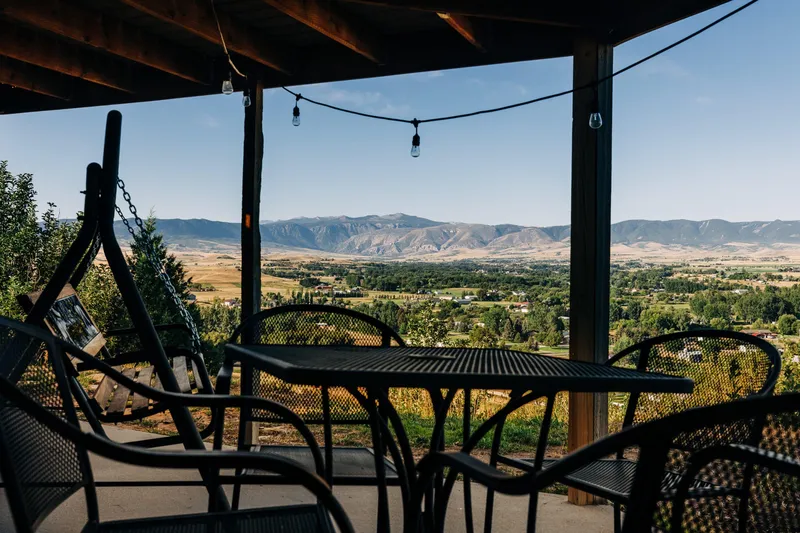
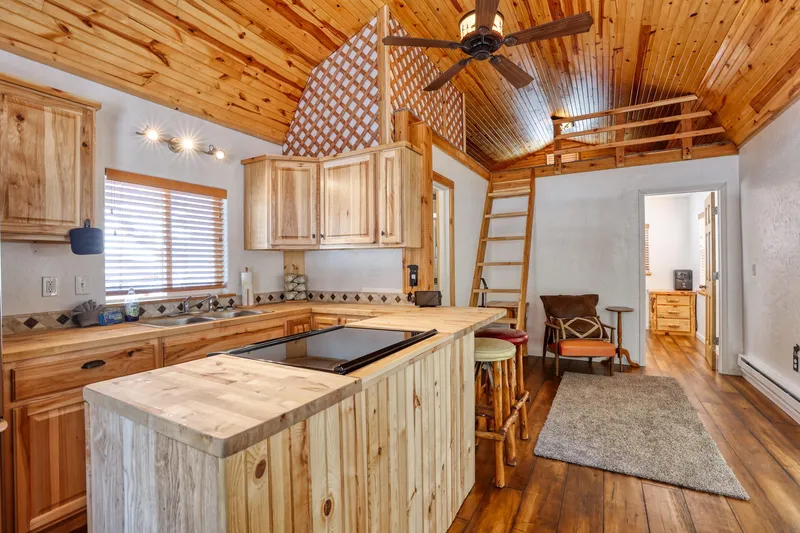
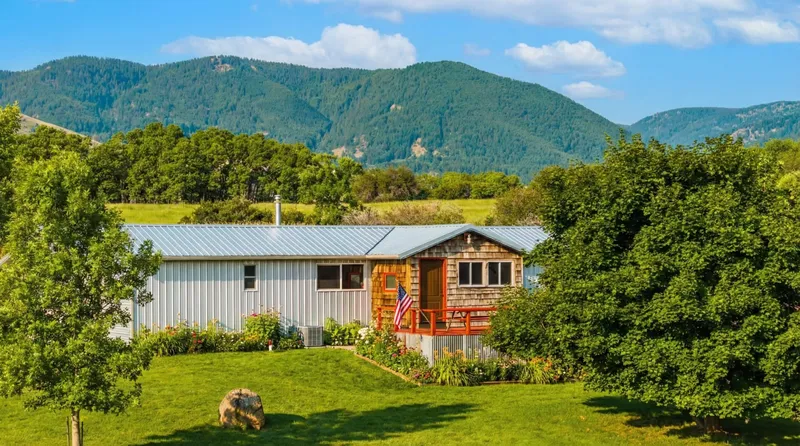
Foraging rewards early starts and short drives, and our forest-adjacent cabins around Dayton, Story, and Big Horn put the national forest minutes away — with full kitchens for cooking the day's finds, freezer space for the surplus, and porches for the end-of-day sort. Homes are cleaned and inspected between stays, and summer weekends go early. Check availability at book.wyostays.com — Book Direct — No Channel Fees — and bring buckets; we won't judge how many.
Practical Tips
- Save the number before you drive up: Bighorn NF Supervisor's Office, 307-674-2600 — cell service is spotty on the mountain.
- Read trailhead postings; wilderness areas and developed sites can carry different rules.
- Personal use means your table — the moment money's involved, you need a permit, full stop.
- Off-forest, assume private land and ask first; most of the county's creek bottom is ranch country.
- Book a base with a real kitchen and freezer at book.wyostays.com so the harvest survives the trip home.
FAQ: Foraging Legally in the Bighorns
Q: Can you legally forage in Bighorn National Forest?
A: Generally yes, for small personal-use amounts of berries and mushrooms in most open forest areas — no permit needed for what you'll reasonably eat yourself. Forest-products permits are required for larger removals and for products like firewood, and any commercial harvest always requires one. Rules can differ in wilderness and developed sites, so read postings and call 307-674-2600 with edge cases.
Q: How much can I pick without a permit?
A: The Bighorn doesn't publish a simple public quantity table, so don't trust numbers from other forests — thresholds vary by forest and product. The practical rule: a snack or a pie's worth is incidental; coolers and commercial intent are not. Before any large harvest, call the Supervisor's Office in Sheridan or email sm.fs.bighorninfo@usda.gov and get the answer for this forest, this year.
Q: Do foraging rules differ in the Cloud Peak Wilderness?
A: They can — wilderness areas carry their own regulations layered on top of forest-wide rules, and developed recreation sites like campgrounds often restrict gathering too. The safe pattern is to read the postings at trailheads, keep harvests modest everywhere, and confirm wilderness-specific questions with the ranger district before your trip rather than at the trailhead.
Q: Can I forage on land outside the national forest?
A: Only with permission. Most of the fruit-rich low country around Sheridan County — creek bottoms, draws, old homestead rows — is private ranchland, and trespassing rules in Wyoming are taken seriously. Ask the landowner first; many say yes, especially to polite pickers who close gates and return with a jar of whatever the harvest became.
Foraging here comes down to two calls: one to the ranger district to keep it legal, one to your own conscience to keep it right. Make both and the Bighorns will feed you for decades. When you're ready to put a kitchen under your harvest, find your cabin at wyostays.com.