
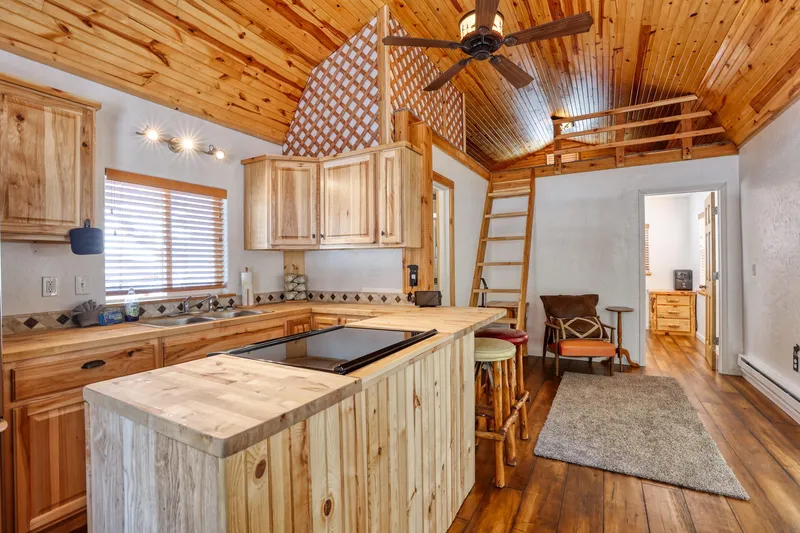
The Bighorn Trail Run is a UTMB-qualifying ultramarathon through Bighorn National Forest, with 100, 52, 32 and 18-mile courses and roughly 20,500 feet of ascent on the hundred. It finishes at Scott Park in Dayton, Wyoming. Crews need a base with a kitchen and laundry — Sheridan is twenty minutes away and has the lodging.

Bighorn Trail Run 2026 — The Complete Guide
Top 10 hardest ultramarathon in America. UTMB qualifier. 20,500 feet of ascent. Starting and finishing 20 minutes from Sheridan.
Dalton Goodyear · May 3, 2026 · 8 min read
The Race That Defines the Bighorns
The Bighorn Trail Run isn't a destination ultra wrapped in festival packaging. It's a mountain race that happens to be world-class — 100 miles through the Bighorn Mountains with 20,500 feet of elevation gain, multiple passes above 9,000 feet, river crossings, snow fields in June, and the kind of terrain that breaks experienced ultrarunners. It's consistently ranked among the 10 hardest ultramarathons in America, and it starts 20 minutes from downtown Sheridan.
The 2026 edition is scheduled for June 19–20. The 100-mile race begins Friday at 11am; the 50-mile starts Saturday at 4am; the 30-mile and 18-mile races launch Saturday at 6am. All distances finish in Dayton, Wyoming — a small town at the base of the Bighorns where crews, spectators, and the growing trail running community converge for one of the most authentic ultra experiences in the sport.
| Distance | Start Time | Cutoff | Elevation Gain | UTMB Qualifier |
|---|---|---|---|---|
| 100 miles | Friday 11am | 34 hours | 20,500 ft | Yes |
| 50 miles | Saturday 4am | 17 hours | 10,200 ft | Check UTMB Index |
| 30 miles | Saturday 6am | 12 hours | 5,800 ft | No |
| 18 miles | Saturday 6am | 8 hours | 3,200 ft | No |
Start and cutoff times are approximate. Check bighorn100.com for official 2026 race details.
The Course
The 100-mile course traverses the Bighorn Mountains from south to north, climbing out of Tongue River Canyon into the high country before descending through a series of aid stations to the finish in Dayton. The terrain includes singletrack, jeep roads, alpine meadows, creek crossings, and sections above treeline where weather can change in minutes.
The signature challenge is the total elevation gain — 20,500 feet spread across multiple climbs that never let your legs fully recover. The highest point on the course exceeds 9,000 feet, where thin air compounds the physical demand. Snow patches on north-facing slopes are common in June. River crossings may be knee-deep with snowmelt.
The Bighorn 100 doesn't have the marketing budget of Western States or UTMB. It doesn't need one. The mountain is the marketing. Twenty thousand feet of climbing through one of the most beautiful ranges in America is all the pitch anyone needs.
Runner Logistics
Registration: Opens several months before race day and fills quickly — especially the 100-mile distance. Check bighorn100.com for registration dates and lottery information.
Crew access: Several aid stations are accessible by vehicle, making crew support feasible for the 100 and 50-mile distances. The race provides detailed crew guide information including which aid stations allow vehicles and what roads to use.
Drop bags: Available at designated aid stations. Pack warm layers — temperatures at high-altitude aid stations can drop into the 30s at night, even in June.
Altitude & Weather
The course reaches 9,000+ feet where oxygen is noticeably thinner. If training at sea level, arrive 2–3 days early for partial acclimatization. June weather in the Bighorns is unpredictable — be prepared for temperatures ranging from 30°F at night above treeline to 80°F in the valleys during the day. Rain, snow, and lightning are all possible.
Spectating & Crew Guide
The finish line in Dayton is the emotional heart of the race — runners coming in after 20–34 hours on the mountain, crews who've been waiting through the night, and the kind of quiet triumph that makes ultrarunning different from other sports. Set up at the finish by Saturday afternoon for the 100-milers and Saturday morning for the shorter distances.
For on-course spectating, the Dry Fork aid station and the Tongue River Canyon section are accessible. The canyon section is dramatically beautiful and runners pass through during daylight — ideal for photography and cheering.
Training for the Bighorn
| Factor | What to Train | Why |
|---|---|---|
| Elevation gain | Long climbs (2,000+ ft) | 20,500 ft total requires hill-specific training |
| Altitude | High-altitude runs if possible | Course exceeds 9,000 ft — thin air is real |
| Technical terrain | Rocky singletrack, creek crossings | Footing is uneven; ankle stability matters |
| Night running | Practice with headlamp | 100-milers run through one full night minimum |
| Weather prep | Train in variable conditions | 30°F to 80°F possible on race day |
| Fueling | Test nutrition at race effort | 24–34 hours of sustained effort requires serious planning |
Where to Stay
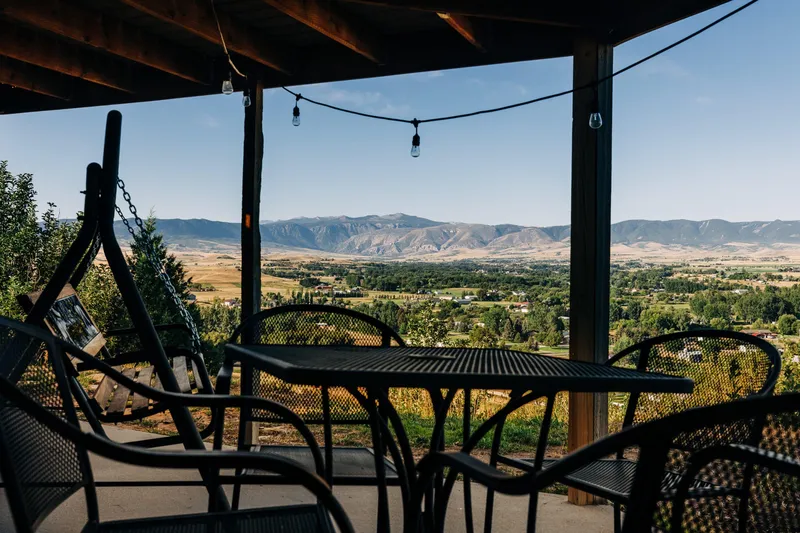
Runners: Sheridan is 20 minutes from the start — ideal for pre-race prep. Downtown properties with full kitchens let you control your pre-race meals. After the race, you'll want a hot shower and a real bed, not a hotel.
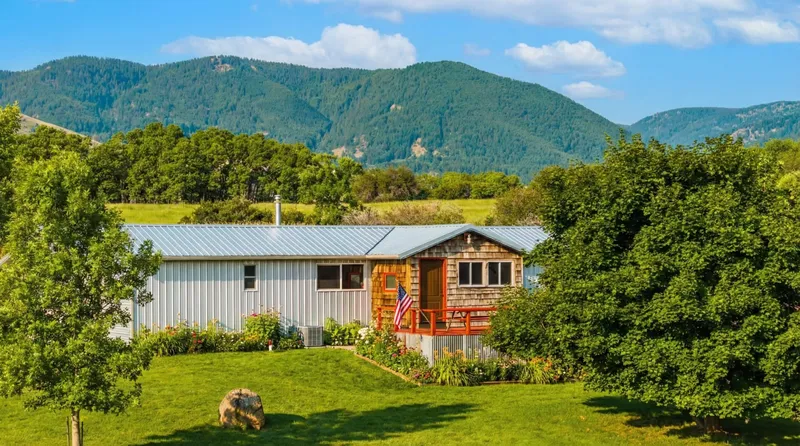
Crew: Dayton is at the finish line — perfect for crews who want to be there when their runner comes in. Dayton vacation rentals are a short walk from the finish area.
Book early — race weekend fills up fast. book.wyostays.com for direct booking with no platform booking fee versus Airbnb.
The Bighorn finishes in Dayton, Wyoming — a town small enough that the whole community comes out to cheer. There's no stadium. No jumbotron. Just a banner across the road, a timing mat, and 100 miles of mountain behind you.
Related Guides
Tongue River Canyon Hiking
Hike the canyon section of the race course.
Cloud Peak Wilderness
More Bighorn Mountain trail options.
Best Restaurants 2026
Post-race refueling options in Sheridan.
Book Your Race Weekend Stay
Sheridan and Dayton properties for runners, crew, and spectators. Book early — race weekend fills fast.
Browse StaysAlso consider
How far is Sheridan? Drive times
| From | Distance | Drive time | Route |
|---|---|---|---|
| Buffalo, WY | 35 miles | ~35 min | I-90 north |
| Gillette, WY | ~103 miles | ~1 hr 30 min | I-90 west |
| Billings, MT | ~130 miles | ~2 hr | I-90 south |
| Casper, WY | ~149 miles | ~2 hr 15 min | I-25 north to I-90 |
Billings Logan (BIL) is the nearest major airport at roughly two hours north. Sheridan County Airport (SHR) sits five miles from downtown and carries commercial service via Denver — routes and frequency change year to year, so check current schedules.
Updated August 2026. Event details change year to year — dates, hours, parking and admission should always be confirmed against bighorntrailrun.com before you travel. Wyo Stays is a lodging operator, not the organiser of this event.
Frequently Asked Questions
The 2026 Bighorn Trail Run is scheduled for June 19–20, 2026. The 100-mile race starts Friday at 11am; the 50-mile starts Saturday at 4am; the 30-mile and 18-mile start Saturday at 6am. All races finish in Dayton, Wyoming.
The Bighorn 100 is consistently rated one of the 10 hardest ultramarathons in America. It covers 100 miles with 20,500 feet of elevation gain across the Bighorn Mountains, summiting multiple passes above 9,000 feet. The course has a cutoff time of 34 hours and a typical finish rate of 60–70%.
Most runners and crew stay in Sheridan or Dayton. Sheridan is 20 minutes from the start and has the most lodging and dining options. Dayton is at the finish line — ideal for crew who want to be there when runners come in. Wyo Stays manages properties in both towns at book.wyostays.com.
Yes. The Bighorn 100 is a UTMB qualifying race. The 100-mile distance awards UTMB qualifying points. Check the UTMB Index for current point values, as these can change year to year.
Yes. The race passes through several accessible aid stations where spectators can cheer runners. The Dry Fork aid station and the finish line in Dayton are the most spectator-friendly. The Tongue River Canyon section is also accessible for motivated spectators willing to hike in.
Book 2–3 months in advance. Sheridan and Dayton lodging fills up during race weekend, especially properties close to the start or finish. Runners and crew often book 6+ months ahead. Contact Wyo Stays early for race weekend availability.