A Ten Sleep Canyon climbing trip is worth planning as a 5–7 day block, not a weekend — the drive is remote enough that a short trip means more driving than climbing. Expect over 1,000 bolted limestone routes from 5.6–5.14, best climbed late spring through fall, with short approaches from parking. Piton, a Wyo Stays cabin roughly 35–40 minutes from town, is a lodging alternative to camping.

Ten Sleep Canyon Climbing Trip Planner
Grades, season, logistics, and where to sleep between days on the limestone.
Dalton Goodyear · August 2026 · 8 min read
Ten Sleep Canyon has built a real reputation among sport climbers — over 1,000 bolted routes on some of the best limestone in the country, cut into the Bighorn Dolomite formation on the western slope of the Bighorn Mountains. Planning a trip well matters more here than at a lot of destinations, simply because of how remote it is.
How Long to Plan For
Ten Sleep isn't a convenient weekend detour from anywhere — it's a destination trip. Most visiting climbers plan at least 5–7 days to make the travel worthwhile, which also gives you room to rotate between crags with different sun/shade exposure through the day and build in a genuine rest day rather than pushing through fatigue.
It's not a convenient detour from anywhere. It's a destination, and it rewards planning like one.
What to Expect on the Rock
The climbing is technical face climbing on pockets, crimps, and edges — vertical to slightly overhanging limestone that rewards precise footwork over raw strength. Routes span roughly 5.6 to 5.14, with the biggest concentration in the 5.10–5.12 range. There's enough at easier grades to make a first trip worthwhile, but the canyon's reputation is built on its harder, more technical lines.
Approaches from the parking pull-offs are notably short by sport-climbing standards — often minutes rather than a real hike — which means more time on the wall and less time hauling a pack uphill.
Season
Ten Sleep climbs well most of the year except winter, thanks to crags at different elevations and orientations offering a mix of sun and shade. Mid-summer is peak season for visiting climbers. Access into the canyon and the surrounding mountains becomes difficult once snow sets in — plan for late spring through fall.
Logistics That Matter
Guidebook vs. apps. A physical guidebook is still the standard reference most visiting climbers rely on for route-finding and current anchor information in the canyon. Mountain Project and theCrag are genuinely useful for trip planning and beta beforehand, but shouldn't fully replace a guidebook once you're actually route-finding on the wall.
Groceries and gas. The town of Ten Sleep has a gas station and convenience store but no full grocery store — the nearest is in Worland, about 30 miles west. Stock up before you commit to a multi-day block in the canyon.
Cell service. Don't rely on it in the canyon. Download topos, route beta, and driving directions before you lose signal.
Rest days. Ten Sleep Brewing Company, about a mile west of town, is the easy low-key option. Thermopolis and its hot springs — including a free state-run pool — are a popular, longer rest-day drive for climbers based in the area.
Where to Sleep Between Days
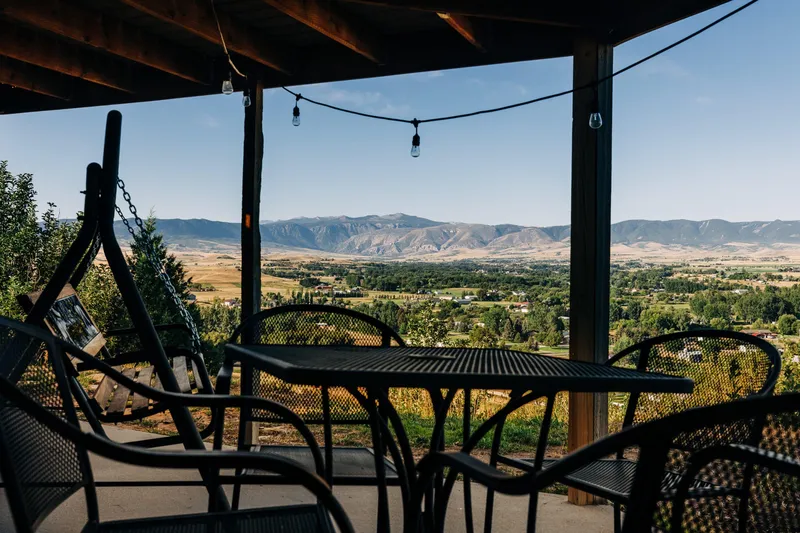
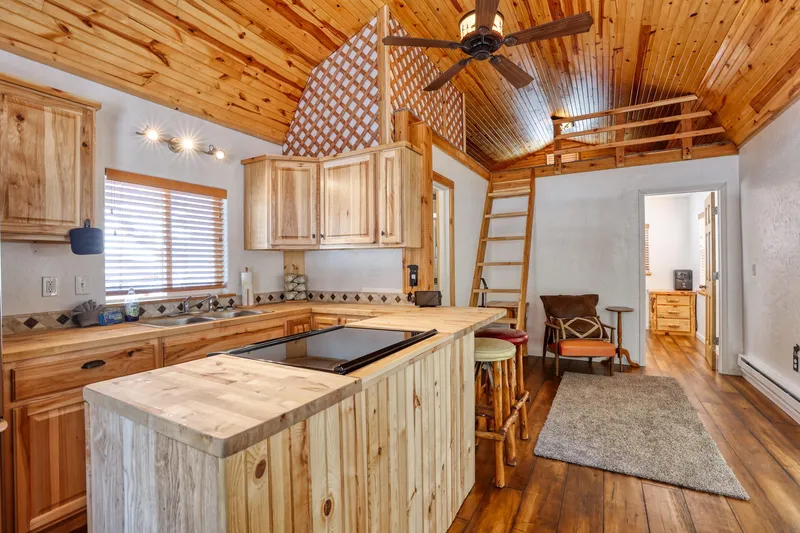
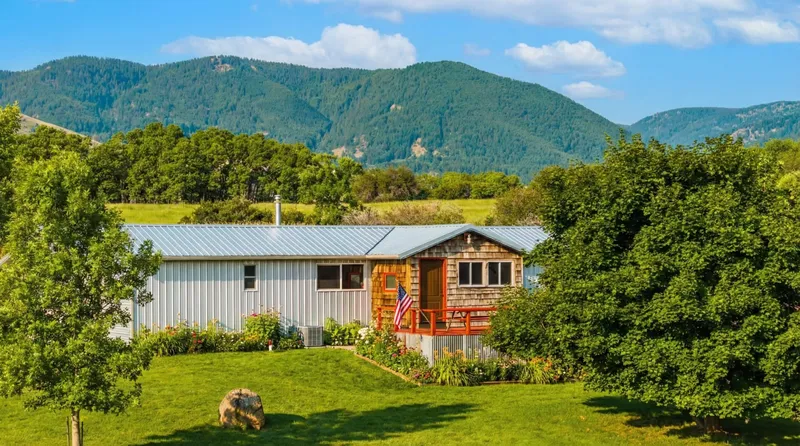
Most visiting climbers camp in or near the canyon, or stay in the town of Ten Sleep itself — the traditional approach for a dedicated climbing trip. For climbers who want a real bed, a shower, and a kitchen to cook real food between long days on the rock rather than a full camping setup, Piton is a lodging alternative: a Wyo Stays cabin roughly 35–40 minutes from the town of Ten Sleep, with the canyon's parking pull-offs a further drive up the highway from there.
It's not a climbing property — no on-property routes or bouldering — and it's not walking distance to the canyon. It's a private, quiet basecamp option for a trip where you'd rather sleep well than sleep in a tent every night of a week-long block.
Sleep Well Between Climbing Days
Piton — a real kitchen, a wood stove, and privacy roughly 35–40 minutes from Ten Sleep.
View Climbing Lodging DetailsWyo Stays · Licensed Wyoming Real Estate Brokerage · (307) 763-5449
Frequently Asked Questions
Most visiting climbers plan at least 5–7 days to make the drive worthwhile — Ten Sleep is remote enough that a weekend trip means more driving than climbing. A week lets you rotate crags for sun/shade and build in a rest day.
The canyon spans roughly 5.6 to 5.14, with the largest concentration of routes in the 5.10–5.12 range. There's enough at easier grades for a first Ten Sleep trip, but the area's reputation is built on its technical mid-to-upper grades.
A physical guidebook is still the standard reference most visiting climbers use for route-finding and current bolt/anchor info at Ten Sleep; Mountain Project and theCrag are useful for trip planning and beta but shouldn't fully replace a guidebook once you're in the canyon.
Most visiting climbers camp in or near the canyon or in the town of Ten Sleep. Piton, a Wyo Stays cabin roughly 35–40 minutes from town, is a lodging alternative for climbers who want a real bed, a kitchen, and a shower between climbing days rather than a full camping trip.
It can be, with realistic grade expectations — plenty of routes in the 5.8–5.10 range exist alongside the harder testpieces the area is known for. The short approaches from parking make it a relatively low-effort area to sample a lot of different climbing in a short trip.