

Wyoming Hunting Season Preparation — The 60-Day Checklist
What to do in the two months before your Bighorn Mountain hunt. Gear, conditioning, scouting, licensing, and logistics — the complete pre-season guide.
Dalton Goodyear · May 22, 2026 · 8 min read
The Hunt Starts Before the Hunt
The hunters who fill tags in the Bighorn Mountains aren't the ones who show up on opening day and hope for the best. They're the ones who spent 60 days before the season studying maps, conditioning their legs, sighting their rifle, and planning logistics down to the game processor they'll use. This guide is the pre-season checklist that separates a hunt from a camping trip with a rifle.
The Bighorn Mountains near Sheridan, Wyoming offer some of the best elk and mule deer hunting in the state. Over 1.1 million acres of the Bighorn National Forest is public land, with hunt areas that range from alpine meadows above 9,000 feet to timbered draws and river bottoms. The terrain is serious — 8–12 miles of daily hiking with 2,000+ feet of elevation change is normal. Preparation isn't optional.
| Days Out | Priority | Action Items |
|---|---|---|
| 60 days | Licensing | Confirm tags, stamps, and hunt area dates. Print backup copies. |
| 50 days | Fitness | Begin stair climbing with weighted pack. Target 8–10 miles/day capacity. |
| 40 days | Gear | Clean and inspect all equipment. Order replacements for worn items. |
| 30 days | Sighting | Zero rifle at hunting distances. Practice from field positions. |
| 21 days | Scouting | Study topo maps. Identify water, saddles, transition zones. Check land access. |
| 14 days | Logistics | Book lodging, reserve game processor, plan food and fuel. |
| 7 days | Final prep | Pack gear, test all electronics, confirm reservations, check weather. |
| Day before | Arrival | Arrive in Sheridan. Drive hunt area roads. Verify access points. |
Licensing & Tags
Wyoming's hunting license system runs through the Game and Fish Department at wgfd.wyo.gov. Nonresidents apply during the annual draw period (typically January–May) with results announced in June. Leftover licenses go on sale in July — some Bighorn elk areas have leftover tags, others do not. Check early.
Required for all big game: valid hunting license + species tag + conservation stamp. Archery-only hunters need an archery stamp. If hunting on national forest land, no additional permit is required beyond your state license.
License Requirements
Wyoming requires: (1) Valid hunting license for the species, (2) Area-specific tag matching your hunt area, (3) Conservation stamp, (4) Hunter education certificate. Nonresidents must complete hunter education before applying. All documents must be carried in the field. Print physical copies — cell service is unreliable in the Bighorns.
Physical Conditioning
The Bighorn Mountains are not gentle terrain. Elk hunts regularly involve 8–12 miles per day at elevations between 7,000 and 10,000 feet, with pack-outs that add 60–100 pounds to your body weight on the return trip. If you can't comfortably hike 10 miles with a 40-pound pack and 2,000 feet of gain, start training now.
The minimum program: Stair climbing with a weighted pack, 3–4 times per week, for 6 weeks before your hunt. Start at 20 pounds and add 5 pounds per week. Supplement with hiking on trails if available. If training at sea level, add 20% to your target fitness level — altitude will take that back.
The Bighorns don't care about your gym numbers. They care whether you can climb 2,000 feet with a pack on your back, glass a basin for an hour without getting restless, and hike 10 miles back to camp after the shot. Train accordingly.
Gear Preparation
Rifle: Clean, inspect, and sight in at the distances you'll be shooting — 200–400 yards is typical for Bighorn elk. Practice from field positions: kneeling, prone, off a pack. Range shooting from a bench doesn't translate to field accuracy.
Optics: Quality binoculars (10x42 minimum) and a spotting scope if you're glassing open basins. Clean all optics and check for fog or damage. Bring lens wipes and a backup pair of compact binoculars.
Clothing: Layer system for temperatures ranging from 20°F at dawn to 60°F at midday. Wool or synthetic base layers (never cotton). Waterproof outer shell. Quality boots broken in over at least 50 miles before the hunt.
| Category | Items | Notes |
|---|---|---|
| Weapon | Rifle, ammunition (40+ rounds), cleaning kit | Sight in at altitude if possible |
| Optics | Binoculars, spotting scope, rangefinder | 10x42 binos minimum |
| Navigation | Topo maps, compass, GPS (with backup batteries) | Don't rely on phone GPS alone |
| Clothing | Layering system, rain gear, extra socks, gloves | Wool/synthetic only — no cotton |
| Camp | Pack, sleeping bag (0°F rated), pad, shelter | For backcountry hunters |
| Safety | First aid kit, bear spray, emergency beacon | SAT communicator recommended |
| Processing | Game bags, knives, rope, headlamp | Game bags are required in Wyoming |
Scouting Your Hunt Area
Download USGS topo maps of your hunt area and study the terrain digitally before you arrive. Look for: water sources (elk need water daily), saddles and ridgelines (travel corridors), north-facing timber (bedding areas), and transition zones between timber and meadow (feeding areas at dawn/dusk).
Check the PLPW (Public Land/Private Water) maps at the Wyoming Game and Fish website — many Bighorn areas mix public national forest land with private ranch land. Know the boundaries before you hunt. Some ranches participate in the Wyoming Access Yes program, which provides walk-in access for hunting. Check the current list.
Arrive a Day Early
If possible, arrive in Sheridan the day before your hunt opens. Drive the roads around your hunt area, check trailhead conditions, verify access gates are open, and get your bearings. The difference between showing up opening morning cold and having one day of pre-hunt reconnaissance is enormous.
Where to Stay
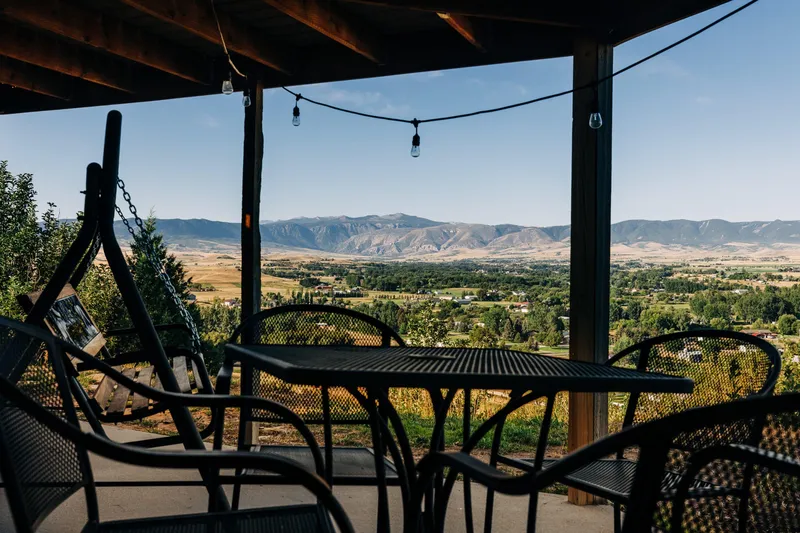
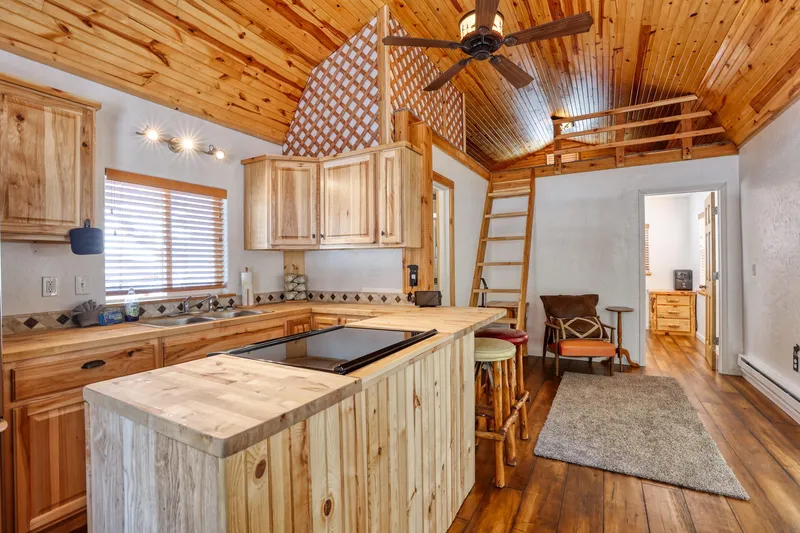
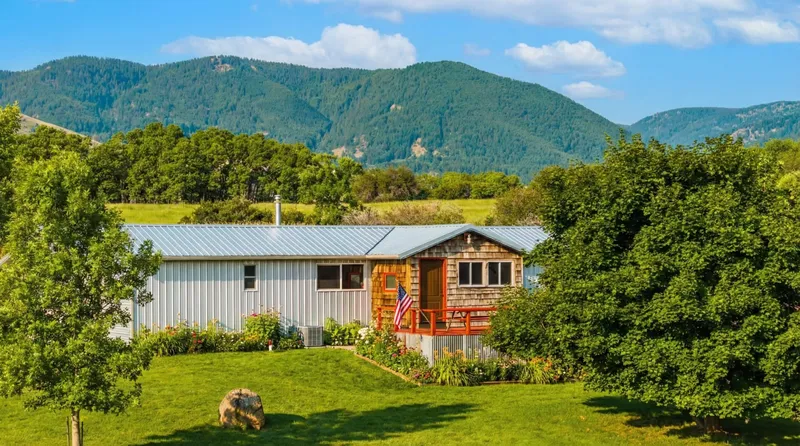
Wyo Stays manages hunting-friendly properties across Sheridan County — from mountain cabins near Bighorn trailheads to downtown properties with gear storage. Many of our properties have boot rooms, game-hanging access, and the kind of kitchen where you can prep meals for the week. Book direct at book.wyostays.com for hunting season rates.
Hunting in the Bighorns is earned, not given. The mountains are big, the elk are smart, and the weather doesn't care about your schedule. That's what makes it worth doing — and why preparation is everything.
Related Guides
Cloud Peak Wilderness
Explore Bighorn Mountain trails and terrain.
Fall Foliage Guide
What the mountains look like during hunting season.
Best Restaurants 2026
Where to eat after a day in the field.
Book Your Hunting Season Stay
Mountain cabins and downtown properties with hunting-friendly amenities. Book early — October fills fast.
Browse StaysAlso consider
Frequently Asked Questions
Wyoming elk season dates vary by hunt area. General elk season in the Bighorn Mountains typically opens in mid-September (archery) and October 1 (rifle). Specific dates are set by the Wyoming Game and Fish Department each spring. Check wgfd.wyo.gov for the official 2026 season dates and regulations.
Nonresident hunters apply through the Wyoming Game and Fish Department during the annual draw period, typically January through May. Applications are submitted online at wgfd.wyo.gov. Draw results are announced in June. Leftover licenses go on sale in July. Start the process early — popular elk areas in the Bighorns draw at 10–30% success rates.
Sixty days out: confirm your license and tags, begin physical conditioning (climb stairs with a weighted pack), zero your rifle at altitude if possible, plan your food and gear lists, book lodging, study maps of your hunt area, and check land access — many Bighorn areas mix public and private land requiring advance permission.
Yes. The Bighorn National Forest offers extensive public land hunting for elk, mule deer, white-tailed deer, antelope, and upland birds. The forest covers over 1.1 million acres with multiple access points from Sheridan County. Some adjacent private lands participate in the Wyoming Access Yes program — check PLPW maps for current access.
Wyo Stays manages hunting-friendly properties across Sheridan County — from mountain cabins near Bighorn trailheads to downtown Sheridan properties with gear storage and cleaning stations. Book direct at book.wyostays.com. Hunting season is our second-busiest booking period — reserve 2–3 months ahead for October dates.
Sheridan County offers elk, mule deer, white-tailed deer, antelope, wild turkey, and upland birds (pheasant, sharp-tailed grouse, Hungarian partridge). The Bighorn Mountains are the primary elk and mule deer habitat. The prairie east of Sheridan is premium antelope and upland bird territory. Waterfowl hunting is available on the Tongue River and area reservoirs.