Mule Deer Hunting Bighorn Mountains: Season Dates & Units
August 9, 2026 · 6 min read read · Wyo Stays Journal
The Bighorns are a different animal than the prairie units to the east. Instead of glassing flat sagebrush for miles, you're hunting timbered draws, high meadows, and rockslide edges where deer bed during the day and feed out toward dusk. Wyo Stays sees this trip planned out every fall by hunters looking for a real bed after a cold day on the mountain.
When Does Season Open in the Bighorns?
Mule deer hunting in the Bighorn Mountains near Sheridan typically opens in early October and runs into November, with exact dates and hunt area boundaries set annually by Wyoming Game and Fish. The mountain units directly west of town — accessed off U.S. 14 and U.S. 16 — hold the bulk of the huntable public ground, mixing national forest with BLM and some state sections.
Wyoming's general seasons in the Bighorn National Forest units typically run from early October through early-to-mid November, with archery opening several weeks ahead of rifle season. Exact opening and closing dates shift year to year and vary by specific hunt area, so treat any date here as a planning estimate, not gospel. Pull the current season-dates PDF from Wyoming Game and Fish before you book time off or apply for a tag. If you're hunting archery, expect cooler weather and more solitude on the mountain; rifle season brings more hunters onto the same trailheads, especially on opening weekend.
Mule Deer Hunting Bighorn Mountains: Units and Corridors
The hunt areas that matter for a Sheridan-based trip run along the eastern face of the Bighorns, reachable via U.S. 14 toward Burgess Junction and U.S. 16 toward the Cloud Peak Skyway. Terrain climbs fast from foothill sagebrush into dark timber, so a single hunt area can hold very different deer behavior depending on elevation and aspect. Anyone serious about mule deer hunting Bighorn Mountains terrain should treat elevation and aspect as bigger variables than the specific hunt area number.
| Access Corridor | Elevation Range | Terrain | Typical Season | Notes |
|---|---|---|---|---|
| U.S. 14 / Burgess Junction | 4,500–9,000 ft | Foothill sage to high timber | Early Oct–early Nov | Deer push higher early season, drop as snow arrives |
| U.S. 16 / Cloud Peak Skyway | 5,000–9,500 ft | Steep timber, rockslide edges | Early Oct–early Nov | Best glassing from Skyway pull-offs at dawn/dusk |
| Tongue River Canyon foothills | 4,000–6,000 ft | Broken canyon country | Early Oct–early Nov | Good early-season option before snow pushes deer down |
| Piney Creek / south face | 4,800–8,500 ft | Mixed sage-to-timber transition | Early Oct–early Nov | Less pressured than the two highway corridors |
Estimate based on typical 2025–26 season structure; confirm exact hunt area numbers and dates with Wyoming Game and Fish before applying.
Draw difficulty for Bighorn mule deer areas varies by hunt area and residency, and it shifts with herd management objectives each year. We're not going to publish exact odds here since they change with quota adjustments — check the current Wyoming Game and Fish draw odds report before applying, and don't assume a "general" tag guarantees the exact area you're picturing. Locals will tell you the timbered country holds mature bucks that don't get pushed as hard as the prairie units near the interstate, simply because the hunting is harder and fewer people put in the legwork required to get above the deer.
What Basecamp and Scouting Approach Works Best?
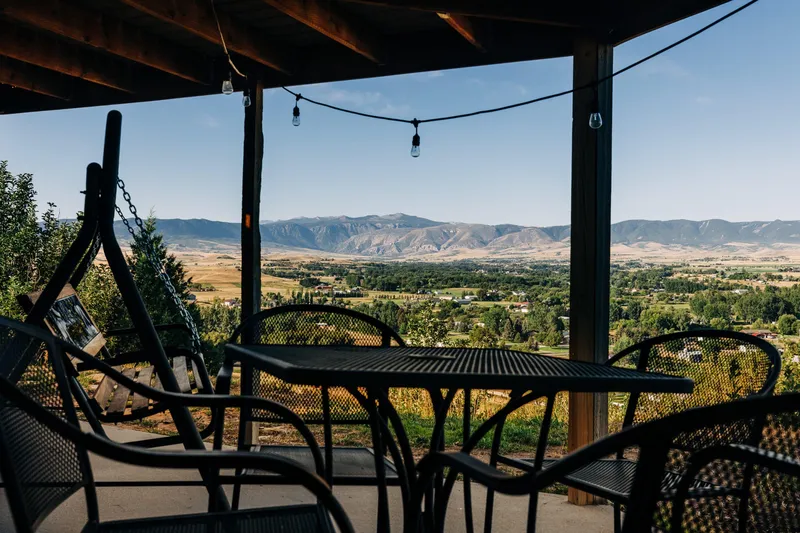
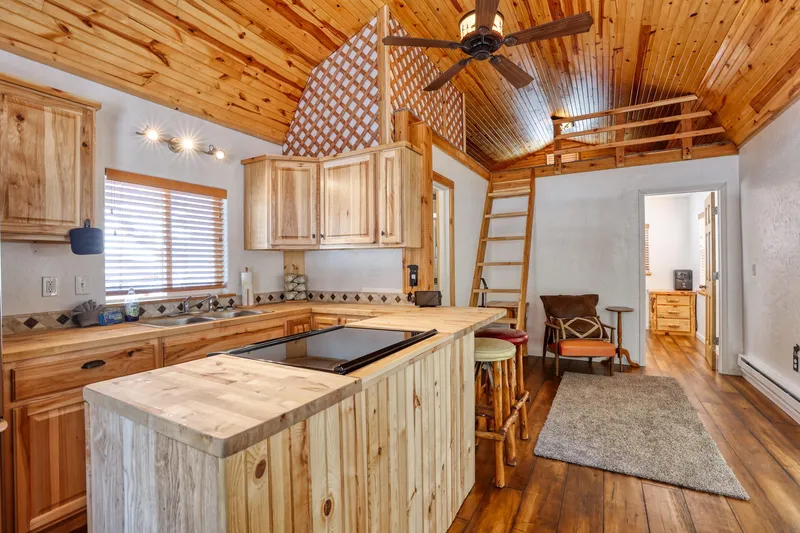
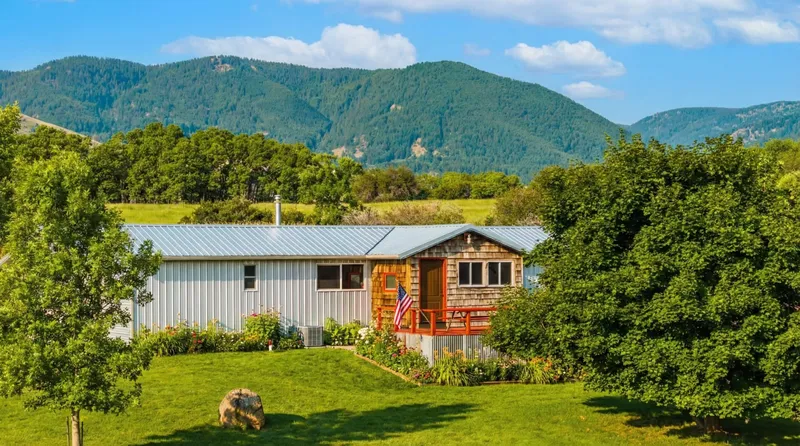
Staying in Sheridan rather than camping at altitude gives you a warm bed, a real shower after a cold, wet day, and a manageable drive to either highway corridor. We tell hunters every fall: don't underestimate how much faster you recover — and hunt harder the next morning — when you're not breaking camp in the dark and cold each day. Wyo Stays is a licensed, insured Wyoming vacation rental brokerage, and we point mule deer hunters toward properties built for exactly this kind of week.
Look for a rental with a mudroom or covered entry for wet, muddy gear, plus a garage or driveway with room for a truck and trailer. A few things worth prioritizing when you book:
- A mudroom or covered entry to keep muddy, wet gear out of the living space
- A garage or driveway with room for a truck and trailer
- A chest freezer or extra fridge space for processed meat
- A few extra bedrooms if you're splitting the week with hunting partners
A pre-season scouting trip in September pays off more in the Bighorns than in open prairie country, because the timber hides deer sign that satellite maps simply can't show you. Walk a few of the drainages you plan to hunt, note water sources, and mark bedding-to-feed travel corridors before the pressure of opening weekend changes deer patterns. If a scouting trip isn't realistic, lean on topo maps and recent burn or logging activity — deer favor edge habitat where old cuts meet standing timber, and those zones shift over a few years as regrowth thickens.
Lock in a comfortable basecamp before the good weeks fill up — book direct at book.wyostays.com — skip the OTA fees — and get a property built for gear, mud, and a real night's sleep before an early alarm.
Frequently Asked Questions
Q: When does mule deer season open in the Bighorns? A: General mule deer seasons in the Bighorn National Forest hunt areas typically run from early October through early-to-mid November, with archery opening ahead of rifle season. Exact dates vary by year and hunt area — confirm current dates with Wyoming Game and Fish before planning your trip.
Q: Where in the Bighorns near Sheridan is best for mule deer hunting? A: The two main access corridors are U.S. 14 toward Burgess Junction and U.S. 16 along the Cloud Peak Skyway, both offering a mix of foothill sage and high timber. Less-traveled areas like Piney Creek to the south tend to see lighter hunting pressure.
Q: Do I need a 4x4 to hunt mule deer in the Bighorns? A: A 4x4 or AWD vehicle is strongly recommended, especially once fall weather brings early snow to higher elevations. Many trailheads and forest roads are unmaintained gravel that can become difficult or impassable after rain or snow.
Q: How difficult is it to draw a mule deer tag in this area? A: Draw difficulty depends on the specific hunt area and your residency status, and it shifts yearly with herd management goals. Check the current Wyoming Game and Fish draw odds report before applying rather than relying on past years' numbers.
Q: Is archery or rifle season better for Bighorn mule deer hunting? A: Archery season typically means cooler weather, fewer hunters, and deer that haven't yet been pushed by rifle pressure. Rifle season brings more hunters to the same trailheads, particularly on opening weekend, but offers a longer effective range for the area's often-steep terrain.
Stacking tags this fall? See our Antelope Hunting Near Sheridan and Elk Hunting the Bighorns guides, plus the full Hunting Prep Guide. Book Direct — No Channel Fees, and browse Wyo Stays properties for a Bighorn Mountains basecamp built for a real hunting week, not just a place to crash at wyostays.com.