Morel Foraging in the Bighorns After the Elk Fire, Wyoming
July 16, 2026 · 7 min read · Wyo Stays Journal
The first spring after a fire, a burned forest looks like the end of something. Black trunks, gray ash, the smell of old smoke still in the soil. Then you kneel down at the edge of the char, brush aside a curl of bark, and there it is — a morel, honeycombed and perfect, pushing up through ground that looked dead a week ago. Nature, it turns out, has a long memory and a stubborn sense of timing.
That's the strange gift of a wildfire. The Elk Fire that moved through the Bighorn Mountains left a mosaic of burn across the slopes above Dayton and the Tongue River country — and to anyone who forages, that mosaic reads like a treasure map. Because in the Bighorns, as in conifer forests across the West, a burn scar the following spring can become a morel factory.
The short version: many morels fruit in huge numbers the first spring or two after a conifer forest burns. After the Elk Fire, the lightly-to-moderately burned edges in the Bighorns near Sheridan can produce far more morels than unburned forest — typically from mid-May through late June, following snowmelt up the mountain. Check current burn-area closures first, and only eat mushrooms you can identify with total certainty.
Why fire makes morels
Nobody fully understands it, and that's part of the romance. What foragers know for certain is the pattern: when a stand of conifers burns, the morels that were living quietly in the soil respond to the disturbance with an enormous reproductive push. The result is the "burn morel" — a flush so dense that experienced foragers plan entire seasons around fresh fire scars.
The Bighorns are conifer country — lodgepole, fir, spruce — which is exactly the fuel that produces the best post-fire morel years. The spring after the Elk Fire is the window locals have been waiting for. Windows like this don't stay open long: the flush is strongest the first year, tapers the second, and is mostly gone by the third.
Reading the burn: where to actually look
Not all burned ground is equal. The trick is to find the edges — the lightly-to-moderately scorched zones where the fire moved through but didn't cook the soil to sterility.
Local tip — Skip the moonscape. The black, totally-incinerated patches rarely produce. Work the transition zones: singed-but-standing timber, ground where the duff is scorched on top but intact underneath, and the shaded north-facing slopes that hold moisture longest.
Walk slowly. Morels are the great hiders of the mushroom world — their pitted caps mimic the dappled forest floor so well that you'll step over a dozen before your eyes finally "turn on." Once they do, you won't be able to stop seeing them.
Follow the snowline up
Morel season isn't a date, it's an elevation. As the snow retreats up the mountain, the fruiting follows it. The lower burn near Dayton and Tongue River Canyon fires off first, often by mid-May. Two or three weeks later, the higher country along the Bighorn Scenic Byway takes its turn, and a good year can produce into early July up top. Chase the snowmelt and you can stretch a two-week season into a month and a half.
Forage it right: safety and the law
This is the part that matters most, so read it twice.
- Identify with certainty or don't eat it. A true morel is completely hollow when you slice it lengthwise, with a honeycombed cap fully attached to the stem. False morels are chambered or cottony inside with a wavy, brain-like cap — and they can make you seriously ill. When in doubt, throw it out.
- Respect closures. Burn areas are sometimes closed after a fire for real reasons — unstable "widowmaker" snags, falling trees, erosion. Check current Bighorn National Forest closures and foraging rules before every trip; post-fire regulations change.
- Know whose ground you're on. Personal-use foraging on national forest land is generally allowed in small quantities, but private land is off-limits without permission. Never assume.
- Cook them. Morels must be cooked thoroughly and are never eaten raw. Sauté in butter, and don't wash them until you're ready to cook.
Stay Nearby
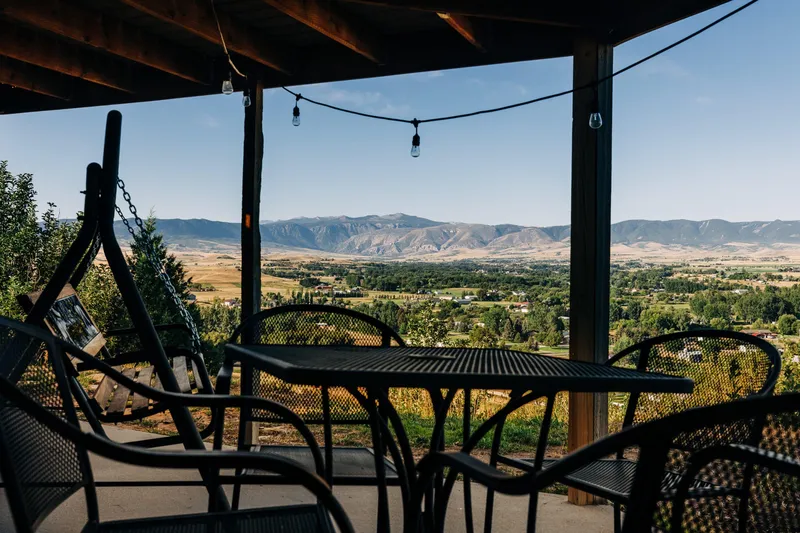
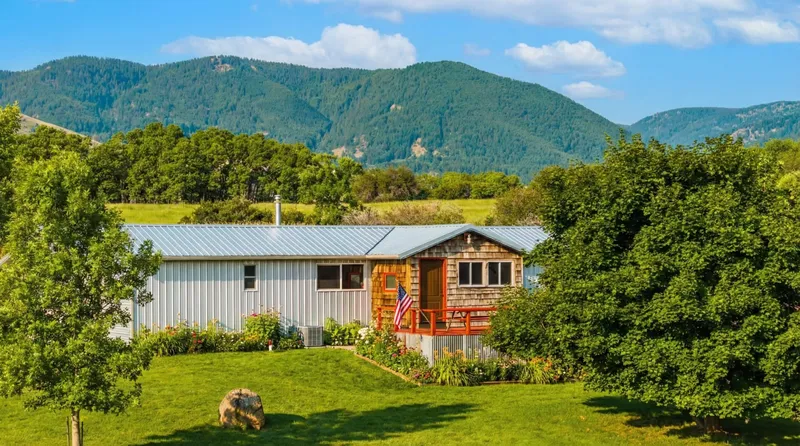
You want to be close to the burn when the ground warms, because timing is everything. A cabin in Dayton puts you at the base of the Tongue River drainage — roll out at first light, forage the lower slopes, and be back with a basket before the day heats up. The Dayton cabins near the mountains are the natural basecamp.
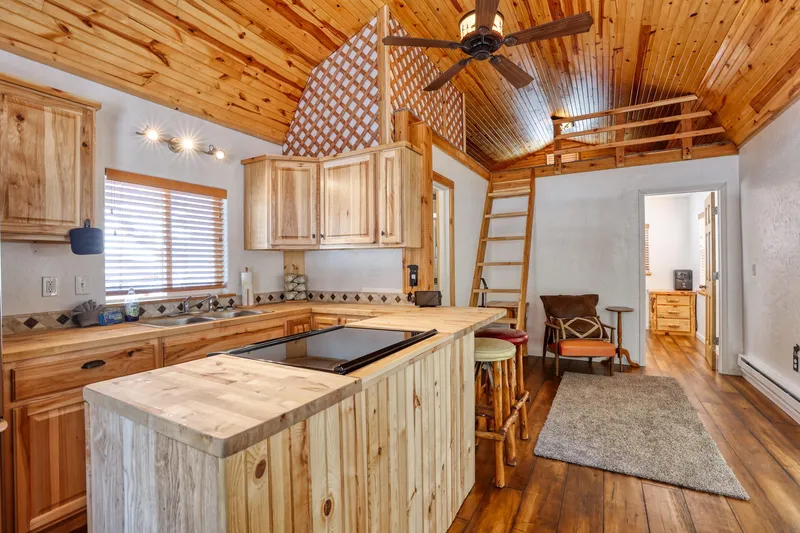
If you'd rather wake up higher, inside the range itself, the cozy cabins along the Big Horn Mountains Scenic Byway put the mid-elevation burn zones right out the door as the season climbs. These are vetted Wyo Stays properties, managed by a licensed, insured Wyoming vacation rental brokerage — so you get a real kitchen to cook your haul in and a real local team on the other end of the phone.
A forager's day, done right
Morning is for the woods. Afternoon is for the reward. After a few hours on the burn, downtown Sheridan is the perfect landing — a late brunch and a good coffee at Luminous Brewhouse while you sort and admire the morning's find is a tradition worth keeping.
Then cook them that night while they're fresh: butter, a little salt, maybe a splash of cream over a steak. There is no restaurant meal in the world better than morels you found yourself, eaten at a cabin table with the mountains going pink outside the window.
If you're new to it and don't want to guess, our local concierge can point you toward a guided foray or a local expert who forages this range every spring — ask the Wyo Stays Concierge when you book, and you'll spend your time finding instead of wandering. And once you've filled a basket, the same mountains give up another harvest all summer — our guide to fly fishing the Tongue River and Bighorns is the natural next trip.
Frequently asked questions
Do morels really grow after a wildfire? Yes. Many morel species fruit prolifically the first spring or two after a conifer forest burns. The fire triggers a massive flush, and the year after a burn like the Elk Fire can produce far more morels than unburned forest, concentrated in the lightly-to-moderately burned edges.
When is morel season in the Bighorn Mountains? Typically mid-May through late June, following snowmelt up the mountain. Lower burn areas near Dayton fruit first; higher country along the Bighorn Scenic Byway can produce into early July in a good year.
Do you need a permit to forage morels near Sheridan? For personal-use foraging on Bighorn National Forest land, small quantities are generally allowed without a permit, but rules change after major fires and burn areas are sometimes closed. Always check current forest closures and permit rules, and never forage private land without permission.
How do you tell a true morel from a false morel? A true morel is completely hollow when sliced lengthwise, with a pitted honeycomb cap fully attached to the stem. False morels are cottony or chambered inside with a brain-like, wavy cap. When in doubt, throw it out.
Where should I stay to forage the Bighorn burn areas? Base in Dayton for the lower Tongue River drainage or along the Bighorn Scenic Byway for the higher country. Wyo Stays manages cabins in both — Book Direct — No Channel Fees, with a kitchen to cook your haul and a local team on call.
A burn scar is a hard thing to look at the first year. But kneel down at its edge next spring, find that first honeycombed cap pushing through the ash, and you'll understand what the old foragers mean when they say fire is just the forest starting over. When you're ready to be here for it, book direct with Wyo Stays — and if you own a cabin near this country and have wondered what it could earn between your own trips, here's what your property could do with the right local team behind it.