Hunting Season Near Sheridan, Wyoming: Lodging & Logistics
July 15, 2026 · 8 min read · Wyo Stays Journal
There is a particular hour in the Bighorns, maybe twenty minutes before legal light, when the whole mountain holds its breath. Frost on the sage. Your rifle sling cold enough to bite through a glove. Somewhere down in the black timber, a bull lets out a bugle that rolls up the drainage and lands somewhere in your chest. You drove a long way and drew a hard tag for exactly this, and now it's happening. Most people never hear that sound in their lives. Plan it right, and you can hear it a few miles from a warm bed.
Wyoming keeps its best country quiet, and the high shoulders of the Bighorn Mountains west of Sheridan are proof. The plains roll east into pronghorn ground; the timber climbs west into elk and mule deer. What you don't get out here is a crowd. What you do get, if you've done your homework, is a real chance at a Rocky Mountain animal on public land — with a town at the bottom of the mountain that has everything you forgot to pack.
The short version: hunting season near Sheridan, Wyoming means Bighorn elk and mule deer in the timber west of town and pronghorn antelope on the plains east of it. Archery opens in early September, rifle runs October into November, and antelope fills the middle. Nonresident elk and deer tags are drawn in winter and spring; base out of a cabin near Sheridan or Dayton and keep your meat cool.
What you're hunting, and where
The country around Sheridan gives you range in every sense. West of town, the Bighorn National Forest climbs from about 4,000 feet in the valley to over 13,000 at Cloud Peak, and that vertical is where the elk and mule deer live. Rocky Mountain elk work the dark north-slope timber and the parks along the Bighorn Scenic Byway; mule deer hold the higher basins and benches; white-tailed deer stay lower, along the creek bottoms and cottonwood draws closer to town.
East of Sheridan, the land flattens into classic pronghorn antelope country — sage flats and coulees running out toward the Powder River. Antelope is the animal most out-of-state hunters actually get to chase here, because the tags are far more attainable than elk. Black bear and mountain lion have their own seasons.
The one thing to understand is Wyoming's hunt-area system. The state is carved into numbered units, and your license is good for a specific area and season — not the whole mountain. Before you fall in love with a spot on a map, confirm which unit it sits in, whether it's general or draw-only, and what weapon and dates your tag allows. The current Wyoming Game and Fish regulations are the only source that matters, and they change every year.
Getting a Wyoming license — start early
Here's the part that catches out-of-state hunters: you don't just buy an elk tag and show up. Nonresident elk and deer licenses run through Wyoming Game and Fish's limited-quota draw, with application deadlines the winter and spring before the fall you want to hunt. Miss the window and you're waiting a year. Preference points help your odds over time, so if you're serious about a Bighorn elk hunt, start building points now even if this isn't your year.
Antelope is the friendlier entry point. Pronghorn tags draw more easily, and leftover licenses sometimes come available through the summer for hunters flexible about unit. Everyone hunting big game also needs a Wyoming conservation stamp, and hunter-education rules apply depending on your age and home state.
The Game and Fish regional office in Sheridan is worth a stop when you arrive — for current regulations and the kind of straight local intel you won't find online. Do the license work first; everything else is easier than untangling a tag problem the night before opener.
Timing the season
Fall in the Bighorns moves fast, and your strategy should follow it. Archery elk and deer typically open in early September, when the high country is golden and the bulls are working toward the rut — the best time to be up in the timber with a bow and a bugle. Rifle seasons follow through October into November, chasing animals down as the first real snows push them off the peaks.
Antelope threads the middle, roughly mid-September into October, out on the plains where the weather is milder and the glassing is long and patient. September gives you warm days and rutting bulls; late October and November give you snow, tracking, and elk pushed lower and more findable — but you'll want traction, layers, and a plan for cold. Build your trip around the current regulations, not last season's memory.
Stay Nearby
By the third morning, the difference between a good trip and a miserable one usually comes down to where you sleep. A cold tent in October Bighorn weather wears you down; a warm cabin with a real kitchen and a place to hang wet gear sends you back up the mountain sharp.
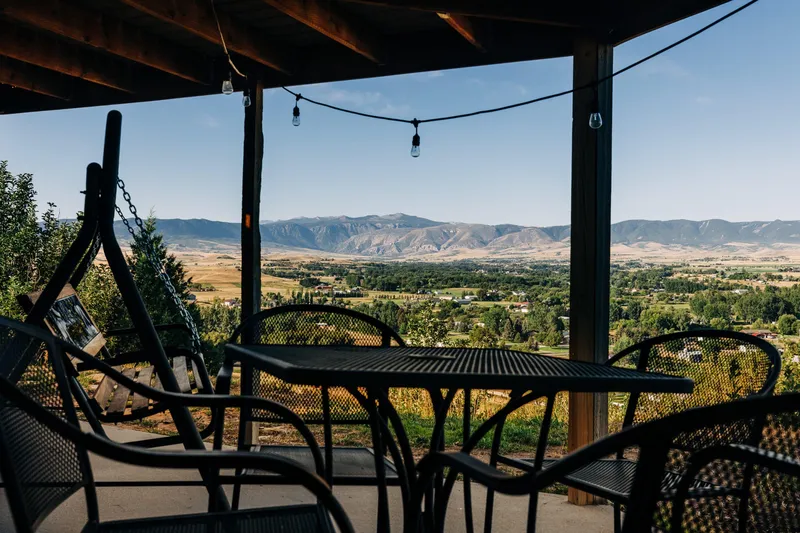
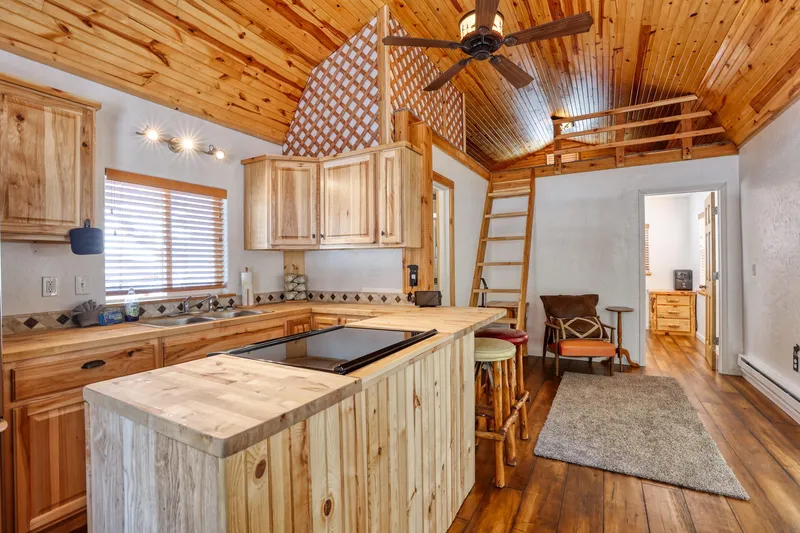
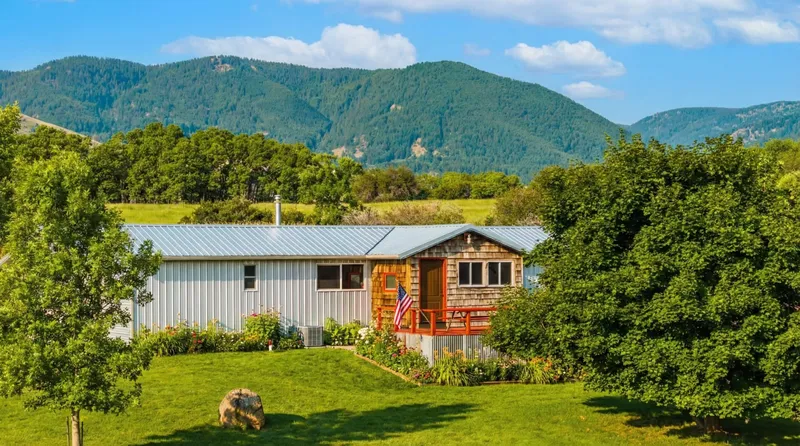
A cabin in Dayton puts you right at the foot of the Bighorn Scenic Byway, minutes from the forest boundary and the timber — you can be glassing before full light. Wyo Stays keeps options built for exactly this: browse the entire private cabin in Dayton, Wyoming or the wider Bighorn National Forest cabin collection for something with a garage and room to spread out. Wyo Stays is a licensed, insured Wyoming vacation rental brokerage, and every property is managed by people who actually live here and know what a hunting party needs. Book Direct — No Channel Fees means more of your budget stays in your pocket.
Prefer to split the difference? A rental in Sheridan keeps you close to processors, gear, and a hot shower, with the mountain still a short drive west. Either way, look for covered parking, a big fridge or freezer, and space to deal with meat.
Practical tips from the field
A few things the regulations won't tell you:
- Pre-scout digitally, then verify boundaries on the ground. Public-land maps and a GPS unit keep you off private — a real risk out here, where BLM, state, and deeded land checkerboard together.
- Plan for meat before you pull the trigger. In warm early-season weather, an elk becomes a race against spoilage the moment it's down. Pack quality game bags, get the hide off and quarters cooling fast, and have ice or a spare fridge waiting at camp. A cabin with a garage and a second fridge is worth its weight in tenderloin.
- Layer for two seasons in one day. A September morning can start at 25 degrees and hit 70; October can bury the byway in snow. Bring more than you think.
- Gear up in town first. Stop by King's Saddlery on Main Street for western gear, boots, and a museum worth an hour, or swing through the Fly Shop of the Big Horns if you're mixing in a little trout time on the way home.
- Use a local processor. Sheridan's cut-and-wrap shops will turn your quarters into labeled, frozen packages while you drive home.
Frequently asked questions
What can you hunt near Sheridan, Wyoming? Elk, mule deer, white-tailed deer, and pronghorn antelope, plus black bear and mountain lion under separate seasons. Big game lives on the Bighorn National Forest west of town and on the BLM and state land east toward the Powder River.
How do you get a Wyoming hunting license near Sheridan? Nonresident elk and deer tags run through the Wyoming Game and Fish limited-quota draw, with deadlines the winter and spring before the season. Antelope draws more easily. Everyone needs a conservation stamp — check the Sheridan regional office before you hunt.
When is hunting season in the Bighorns? Archery elk and deer typically open in early September, rifle follows October into November, and antelope runs mid-September through October. Dates and unit boundaries change yearly, so confirm your hunt area in the current regulations.
Where should you stay when hunting near Sheridan? A warm base camp beats a cold tent in October snow. A cabin in Dayton puts you minutes from the byway and the forest; a Sheridan rental keeps you near processors and a hot shower. Prioritize covered parking, a big kitchen, and room to hang gear.
How do you take care of meat after a Wyoming hunt? Field-dress and quarter quickly, get the hide off, and keep the meat cool, dry, and out of the sun. In warm early weather, cool quarters on ice or in a spare fridge the same day. Sheridan processors will cut and wrap if you'd rather hand it off.
Come hunt the Bighorns right
A good hunt is mostly logistics wrapped around one perfect morning. Do the license work early, learn your unit, time the weather, and give yourself a warm place to come home to when the light goes. Get those pieces right and the Bighorns will hand you a fall you'll tell stories about for years.
When you're ready to build the trip, our team knows this country and the properties that fit a hunting party. Start with the Bighorn National Forest cabin collection, and if you want a hand matching a place to your hunt, our AI concierge can point you in the right direction. Own a place near the mountain and thinking about renting it to hunters each fall? See how we handle it on our property owners page. Two more from a local's notebook: how to fly fish the Tongue River and Bighorns near Sheridan, and what it's like staying in Buffalo, Wyoming, down in Johnson County if your hunt runs south. Book Direct, load the truck, and we'll see you at the bottom of the mountain.