

The Brinton Museum — A World-Class Secret in the Bighorn Foothills
Frederic Remington originals. Charles Russell bronzes. Native American beadwork. All housed in 1892 ranch buildings on Little Goose Creek, 12 miles from Sheridan.
Dalton Goodyear · May 20, 2026 · 7 min read
A Museum That Shouldn't Exist Here — But Does
In the tiny community of Big Horn, Wyoming — population 490 — sits one of the finest collections of Western American art in the country. The Brinton Museum occupies the Quarter Circle A Ranch, a working cattle ranch since 1892, where Bradford Brinton assembled an art collection that rivals anything in Santa Fe or Denver. Frederic Remington. Charles M. Russell. Thomas Moran. Edward Borein. All in a setting that makes most city museums feel sterile by comparison.
The museum is 12 miles south of downtown Sheridan — a 15-minute drive through the Bighorn foothills on a two-lane road lined with cottonwoods and horse pastures. Most visitors come for the art and stay for the setting: Little Goose Creek running through the property, the Bighorn Mountains rising to the west, and the kind of silence that makes you wonder why every museum isn't built on a ranch.
| Detail | Information |
|---|---|
| Location | 239 Brinton Road, Big Horn, WY 82833 |
| Distance from Sheridan | 12 miles (15 minutes) |
| Hours | Wed–Sun, 10am–5pm (seasonal — check website) |
| Admission | ~$10 adults, discounts for seniors/students/military |
| Time needed | 2–3 hours |
| Best paired with | Polo at Big Horn (June–August Sundays) |
| Website | thebrintonmuseum.org |
The Collection
Bradford Brinton wasn't a casual collector. He was a meticulous one. The result is a collection that tells the story of the American West through its best artists — not the kitsch that fills most Western gift shops, but the real thing. Remington's bronzes capture movement with a precision that photographs can't match. Russell's paintings of Plains life are both historically important and visually stunning.
The Native American collection is equally significant — beadwork, parfleches, textiles, and ceremonial objects from Northern Plains tribes. These pieces are displayed with context and respect, not as curiosities but as works of art and cultural expression.
The rare book collection includes first-edition Western Americana that scholars travel across the country to study. The museum hosts rotating exhibitions alongside the permanent collection — check the website for current shows.
Most Western art museums feel like they're trying too hard. The Brinton doesn't try at all — it just puts extraordinary art in the buildings where Bradford Brinton lived, on the ranch where he raised cattle, beside the creek where he fished. The setting does half the work.
The Ranch & Grounds
The original ranch buildings are part of the experience. The 1892 ranch house has been preserved with period furnishings — you walk through rooms where Brinton actually lived, ate, and entertained. The modern gallery addition (designed by architect Milo Thompson) is seamlessly integrated, using natural materials that honor the ranch aesthetic without competing with it.
Outside, the grounds include gardens, a sculpture trail, and access to Little Goose Creek. In summer, the cottonwoods provide shade and the creek provides soundtrack. In fall, the property turns gold. Bring a camera — but also plan to sit for a while. This isn't a place to rush through.
Pair with Polo
If visiting June through August, combine the Brinton with Sunday afternoon polo at the Big Horn Polo Club — just a few miles north in the same community. Museum in the morning, picnic lunch, polo at 2pm. It's the most unexpectedly cultured afternoon in Wyoming.
Getting There from Sheridan
From downtown Sheridan, take South Main Street south — it becomes WY-335 toward Big Horn. The drive is 15 minutes through some of the most beautiful ranch land in Wyoming. The Bighorn Mountains fill the windshield the entire way. Turn right on Brinton Road and follow the signs.
Parking is free and plentiful. The museum is wheelchair accessible. There's no café on-site, but Big Horn has a small general store, and Dayton (10 minutes south) has several lunch options.
Twelve miles from Sheridan. Population 490. One of the finest Western art collections in America. That's Big Horn, Wyoming — the kind of place that makes you reconsider everything you thought you knew about small towns.
Where to Stay
Stay in Sheridan for the best combination of museum access, dining options, and other activities. The Pearl and The Onyx are 15 minutes from the museum and walkable to every restaurant in town. Book direct at book.wyostays.com.
Related Guides
Polo Guide
Pair with the Brinton for the perfect Big Horn day.
Weekend Itinerary
The Brinton fits perfectly into Day 3.
Things to Do with Kids
The Brinton is genuinely family-friendly.
Stay Near the Brinton
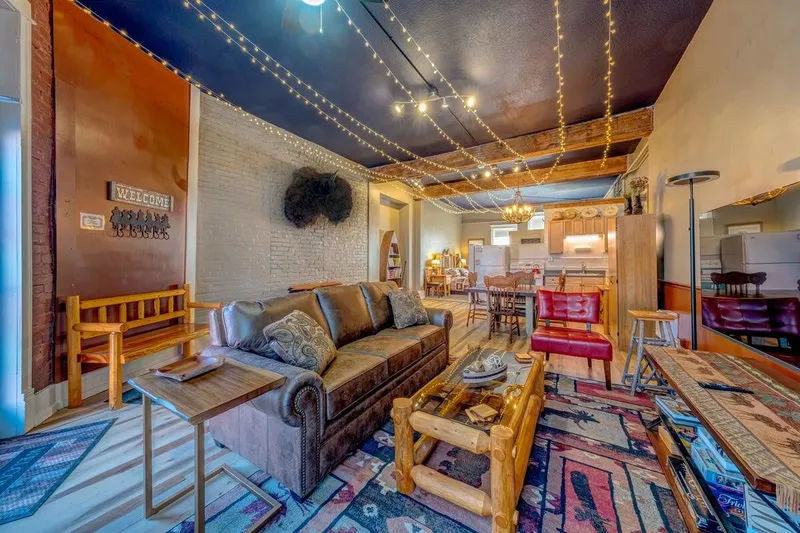
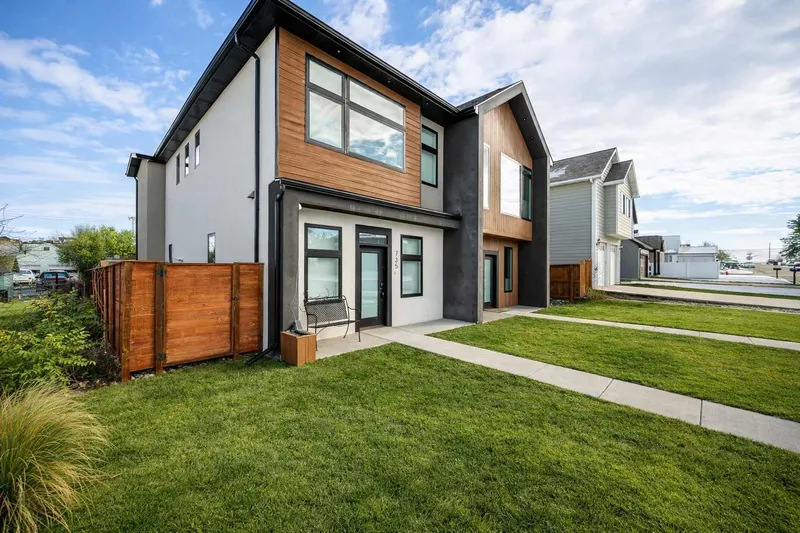
Downtown Sheridan properties, 15 minutes from the museum and walkable to dinner.
Browse StaysAlso consider
Frequently Asked Questions
The Brinton Museum charges a modest admission fee — approximately $10 for adults, with discounts for seniors, students, and military. Children under 12 are free. The grounds, gardens, and ranch buildings are worth the visit even if you only have an hour.
The Brinton Museum is in Big Horn, Wyoming — about 12 miles south of downtown Sheridan, a 15-minute drive on a scenic two-lane road through the Bighorn foothills. It's an easy half-day trip that pairs well with lunch in Big Horn or nearby Dayton.
The Brinton Museum houses a world-class collection of Western and Native American art in the original 1892 ranch buildings of the Quarter Circle A Ranch. The collection includes works by Frederic Remington, Charles M. Russell, Thomas Moran, and Edward Borein, along with Native American beadwork, textiles, and rare books.
Plan 2–3 hours. The art collection takes about 90 minutes to appreciate. The historic ranch buildings, grounds, and gardens add another 30–60 minutes. If the weather is good, the setting alone — cottonwood-lined Little Goose Creek, Bighorn Mountain views — is worth lingering over.
Yes. The museum offers family-friendly programming and the outdoor grounds are ideal for kids who need to move between gallery visits. The ranch setting — horses, creek, gardens — keeps children engaged. The museum is stroller-accessible.