Late Season Elk Hunting Bighorn Mountains: November Units
October 18, 2026 · 6 min read read · Wyo Stays Journal
Late-season rifle elk hunting in the Bighorns generally runs through October into mid-to-late November depending on the unit, with elk pushed to lower elevations by snow and colder weather concentrating herds on winter range. Wyo Stays fields calls from hunting parties every fall, and units 35, 38, 39, 40, 41, and 45 each carry their own specific season dates set annually by Wyoming Game and Fish — always confirm current dates before you plan a hunt.
By November, the high basins above 9,000 feet are usually locked in snow, and the elk have already made their move down into the timbered benches and winter range closer to the foothills. That's the whole game of a late hunt — you're not chasing elk up into the wilderness, you're finding where gravity and snow depth have already pushed them, and Wyo Stays sees the same hunting parties base out of Sheridan every year because it sits close enough to several units to hunt hard all day and sleep in an actual bed at night.
Key takeaways:
- Late-season windows generally fall between mid-October and late November, unit-dependent
- Snow pushes elk to lower elevations, which changes access strategy versus early season
- Units 35, 38, 39, 40, and 41 sit within a reasonable drive of Sheridan; unit 45 is farther south
- Always confirm exact dates, quotas, and any special draw requirements on the Wyoming Game and Fish Department site before the season
- A basecamp rental with game storage and a garage beats a wall tent once temperatures drop
When Is Late Season Elk Hunting Bighorn Mountains Best?
Most late rifle seasons in the Bighorn units run from mid-October through late November, though the exact opening and closing dates vary by unit and change year to year based on herd management objectives. Wyoming Game and Fish sets these dates annually, and hunters planning a trip should check the current hunting season dates before locking in travel.
Bighorn Elk Unit Season Windows (Typical Late-Season Pattern)*
| Unit | General late-season window | Elevation range | Access difficulty |
|---|---|---|---|
| 35 | Mid-Oct – early Nov | 5,500–8,500 ft | Moderate |
| 38 | Mid-Oct – mid-Nov | 6,000–9,000 ft | Moderate-high |
| 39 | Late Oct – late Nov | 5,000–8,000 ft | Moderate |
| 40 | Mid-Oct – mid-Nov | 6,000–9,500 ft | High |
| 41 | Late Oct – late Nov | 5,500–8,500 ft | Moderate |
| 45 | Mid-Oct – early Nov | 6,500–9,500 ft | High |
*Estimate based on typical multi-year patterns; exact dates, quotas, and any limited-quota draw requirements are set annually by WGFD — confirm before applying or booking travel.
Where Do Elk Move Once Snow Hits the High Country?
Short answer: down. As snowpack builds above 8,500 feet, elk drop toward mid-elevation timber, south-facing slopes that hold less snow, and agricultural edges near private land boundaries. Late-season hunters who succeed generally spend less time climbing and more time glassing lower benches and drainage mouths where elk funnel down out of the high basins.
This is exactly why late season elk hunting Bighorn Mountains strategy looks so different from an early-September archery hunt — you're playing a waiting and glassing game low, not a calling game high. Scout access points near unit boundaries, since public-private checkerboarding is common across the Bighorn foothills, and a wrong turn can put you on posted land fast.
How Should You Prepare for Bighorn Late-Season Weather?
Prepare for real winter conditions — single-digit overnight lows, several inches to a foot-plus of snow on the ground, and roads that can close with little notice. WYDOT's road conditions site is worth bookmarking for any unit accessed off US-14 or the Bighorn foothill roads, since a closed pass can end a hunt day before it starts.
Dress in real layering systems, not just a heavy coat — you'll sweat climbing to a glassing point and then sit still for hours, and wet base layers in 10-degree wind are how late-season hunts go bad fast. Bring traction devices for boots, a properly rated sleeping system if you're camping, and always tell someone your specific drainage and expected return time.
Why Choose Sheridan as a Basecamp, and What Will It Cost?
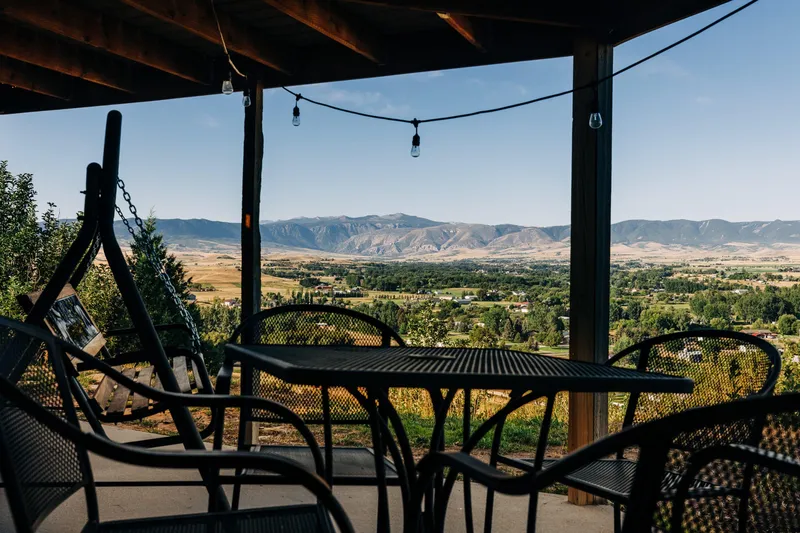
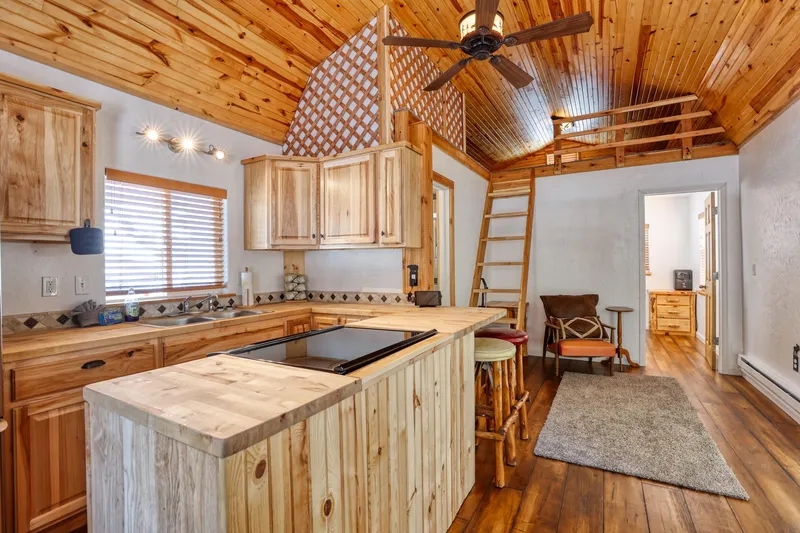
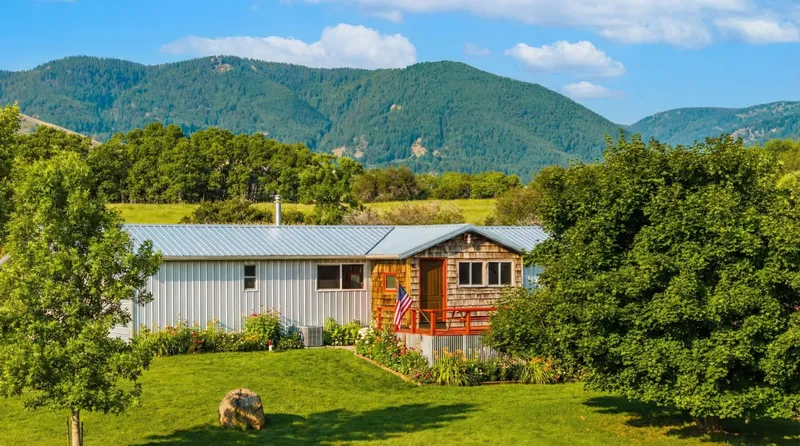
Because Sheridan sits within a manageable drive of units 35, 38, 39, 40, and 41, and a heated basecamp with real game storage beats trying to keep meat cold in a truck bed through a cold snap that might also thaw mid-week. Wyo Stays is a licensed, insured Wyoming vacation rental brokerage, and hunting parties consistently ask us for the same things: a garage or covered space for gear and game, enough beds for the whole party, and a kitchen that can handle processing.
Late-season hunters want three things from a rental — a warm place to dry out, room to hang and process game, and enough beds that nobody's sleeping in the truck. We built our hunter-friendly listings around exactly that. — Dalton Goodyear, Wyo Stays
Costs vary widely by unit and whether you're hunting a general or limited-quota tag, but budget for license and tag fees (check current WGFD pricing), fuel for repeated access-road driving, and lodging that runs meaningfully below peak summer rates in November's off-season window. A basecamp rental for a 3–4 person party for a week typically costs less than the same group would pay split across separate motel rooms, with the added benefit of shared kitchen and storage space — check current listings at book.wyostays.com before you commit to a unit.
- Nonresident elk licenses and unit-specific fees: confirm current pricing directly with WGFD before applying
- Fuel and access-road wear: budget more than you'd expect for repeated trips up rough Forest Service roads
- Lodging: November rates in Sheridan run well below summer peak, making a basecamp rental a genuine value
Is Late-Season Elk Hunting in the Bighorns Worth the Cold?
Yes, for hunters who prepare for it — late season elk hunting Bighorn Mountains trips reward patience, good glassing habits, and a willingness to hunt low rather than climb high chasing summer patterns. The tradeoff for real winter conditions is elk concentrated in more predictable terrain and a noticeably quieter hunting camp scene than opening weekend of general season.
Book direct at wyostays.com — skip the OTA fees for a basecamp with the garage space and beds your hunting party actually needs, and check our Hunting Prep Guide for a fuller gear and logistics checklist before you head out.
Frequently Asked Questions
Q: When is late season elk hunting in the Bighorn Mountains? A: Most late rifle windows run from mid-October through late November depending on the specific unit, with exact dates set annually by Wyoming Game and Fish.
Q: Which Bighorn units have late-season elk hunting? A: Units 35, 38, 39, 40, 41, and 45 all typically carry late-season windows, though access difficulty and elevation vary significantly between them.
Q: Do elk move to lower elevation during late season? A: Yes — heavy snow above roughly 8,500 feet pushes elk down toward mid-elevation timber and south-facing slopes, changing where hunters should focus their effort.
Q: What should I pack for a late-season Bighorn elk hunt? A: Real winter layering, traction devices for boots, a properly rated sleeping system if camping, and a plan for game storage in freezing temperatures.
Q: Where should I stay for a late-season elk hunt near the Bighorns? A: Sheridan makes a strong basecamp for units 35, 38, 39, 40, and 41, offering heated lodging, garage or covered storage for gear and game, and a manageable drive to access points.
Plan Your Late-Season Hunt Around a Real Basecamp
A cold, well-scouted late-season hunt in the Bighorns deserves a basecamp that can actually support it — heat, storage, and enough room for the whole party. Book Direct — No Channel Fees and check current rates and availability at wyostays.com before your unit's season opens, since hunting-party bookings fill Sheridan's best garage-equipped rentals early every fall.