Dark Sky Astrophotography Bighorn Mountains: Where to Go
October 8, 2026 · 6 min read read · Wyo Stays Journal
The darkest reliable skies near town sit in the high country along the Cloud Peak Skyway (Highway 16) and around Burgess Junction, roughly 45 minutes to an hour from downtown, where you climb well above valley light glow into skies dark enough for genuine Milky Way and deep-sky photography.
Sheridan itself has modest light pollution — enough that you'll see stars but not enough for serious astrophotography. Wyo Stays hears from locals who shoot the night sky routinely that they drive up into the national forest, and it's a short enough trip that you can shoot until midnight and still sleep in your own bed.
Where's the Darkest Sky for Dark Sky Astrophotography Bighorn Mountains Trips?
The best dark-sky access points are along Highway 14 and Highway 16 as you gain elevation into Bighorn National Forest. Burgess Junction and the surrounding high meadows sit far enough from any town's glow that the Milky Way core is visible to the naked eye on clear moonless nights in summer.
Steamboat Point and the pull-offs along the Cloud Peak Skyway give you both elevation and an unobstructed horizon — important for capturing the full arc of the Milky Way rather than a sliver cut off by tree cover. We tell guests heading up for a night shoot to scout their spot in daylight first; mountain roads and pull-offs are much harder to navigate safely after dark.
Before heading up, most shooters plan around a short checklist:
- Scout the pull-off or trailhead in daylight, not after dark
- Check the moon phase calendar for a new-moon window
- Tell someone your route and expected return time
- Pack warm layers regardless of the season
What's the Bortle Scale Rating for Sites Near Sheridan?
Bortle scale ratings (1 = darkest, 9 = inner-city) for the region generally run in the following ranges, based on typical rural Wyoming dark-sky mapping:
| Location | Estimated Bortle Class | Best For | Drive From Sheridan |
|---|---|---|---|
| Downtown Sheridan | Class 5–6 (suburban/bright) | Casual naked-eye viewing only | — |
| Outskirts / rural county roads | Class 4 (rural/suburban transition) | Bright planets, moon, casual stargazing | 10–20 min |
| Burgess Junction / Highway 16 high country | Class 2–3 (rural, true dark sky) | Milky Way photography, deep sky | 45–60 min |
| Cloud Peak Wilderness backcountry | Class 1–2 (excellent dark sky) | Serious astrophotography, star trails | 60+ min plus hike |
Estimate based on typical elevation, distance from town lighting, and regional dark-sky patterns; not an official Bortle survey measurement. Conditions vary with moon phase, humidity, and wildfire smoke season.
The Milky Way core is best positioned for Northern Hemisphere viewing from late spring through early fall, with June through August generally giving the clearest, warmest nights for a long shoot at altitude. Fall brings clearer air but colder nights and an earlier core position low on the horizon. New-moon and near-new-moon periods each month are essential for astrophotography — even a half-moon washes out fainter stars and the Milky Way's structure. Check a moon phase calendar for your travel dates and plan your night-sky outing around the darkest few nights of that lunar cycle.
What Gear and Safety Prep Do You Need in the Bighorns?
A camera capable of long manual exposures (most mirrorless and DSLR bodies qualify), a sturdy tripod, and a wide-angle fast lens (f/2.8 or faster) cover the essentials for any dark sky astrophotography Bighorn Mountains outing. A headlamp with a red-light mode preserves night vision while you adjust settings, and an intervalometer or the camera's built-in timer helps avoid camera shake on long exposures.
Warm layers matter more than gear. Even in July, temperatures at 8,000-plus feet after dark can drop into the 40s, and standing still next to a tripod for an hour feels colder than hiking. Bring a thermos of something hot; you'll thank yourself. A pair of insulated gloves that still let you operate small dials is worth packing too — fumbling with camera settings in the cold is the single most common complaint from first-time night shooters up here.
Shooting alone can be safe with preparation — cell service is unreliable at elevation, so tell someone your route and expected return time before you go. Wildlife encounters are rare but possible; a bear spray canister and basic awareness of your surroundings are sensible precautions rather than paranoia. We generally recommend shooting with at least one other person if you're new to the area, both for safety and because managing a headlamp, a tripod, and unfamiliar mountain terrain in the dark is genuinely easier with a second set of hands.
Wildfire smoke season, typically late summer, can also wash out an otherwise dark sky by scattering light and reducing contrast in long exposures, so it's worth checking current air-quality conditions alongside the moon calendar before you commit to a specific night. Humidity plays a smaller role at these elevations, but a clear, dry night after a recent cold front tends to give the sharpest results — worth watching the forecast a day or two ahead rather than deciding at the last minute.
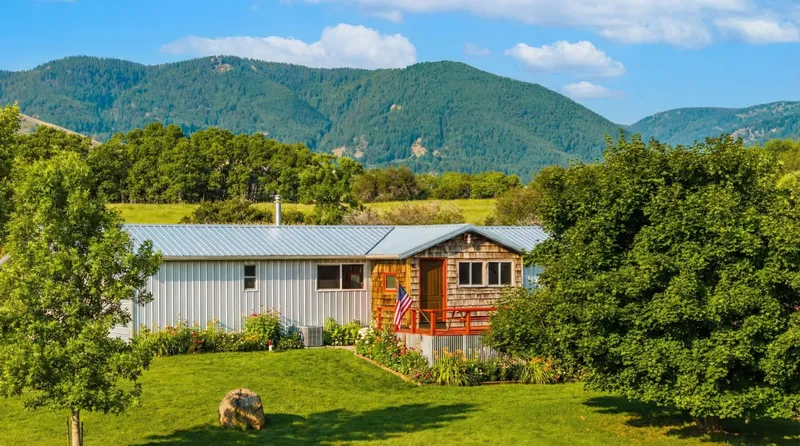
Staying in one of our cabins near the Bighorn Mountains puts you close enough to the trailheads and forest access roads that a midnight shoot doesn't turn into an hour-long drive home. Wyo Stays is a licensed, insured Wyoming vacation rental brokerage, and we're happy to point out which cabins have the least ambient light and the shortest drive to a dark-sky pull-off if you message us directly. Our general stargazing guide covers casual viewing spots if you're not ready for full astrophotography gear.
Base Your Astrophotography Trip From Sheridan
Book Direct — No Channel Fees and base your dark-sky trip out of a cabin built for exactly this kind of night. Explore our properties near the Bighorns or book direct at book.wyostays.com and start with the full Sheridan Vacation Guide.
Frequently Asked Questions
Q: How far do you need to drive from Sheridan for dark skies? A: Roughly 45 minutes to an hour into Bighorn National Forest along Highway 14 or Highway 16 gets you to genuinely dark, high-elevation sky suitable for Milky Way photography.
Q: What's the best month for Milky Way photography near Sheridan? A: June through August generally offers the best combination of clear nights, warm temperatures, and a well-positioned Milky Way core, though you should still plan around the new-moon window each month.
Q: Do I need special equipment to photograph the night sky here? A: A camera capable of long manual exposures, a sturdy tripod, and a wide-angle fast lens are the core requirements. A headlamp with red-light mode and warm layers make the experience far more comfortable.
Q: Is Sheridan itself dark enough for astrophotography? A: Not really. Downtown Sheridan has enough ambient light that serious astrophotography requires a drive into the surrounding national forest, where light pollution drops off quickly with elevation and distance from town.
Q: When is moon phase important for stargazing trips? A: Moon phase matters most for photographing faint objects like the Milky Way core — even a half-moon can wash out detail. Check a moon calendar and aim for nights near the new moon, and see wyostays.com for cabin options near the trailheads.